




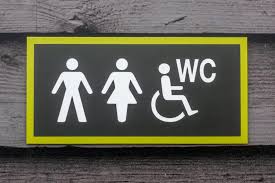

Most people see the letters “WC” on restroom doors in hotels, airports, restaurants, and public buildings without giving them much thought. For years, millions assumed it was simply another symbol for a bathroom or toilet.
But recently, many people online have been surprised to discover what “WC” actually means — and the answer has sparked curiosity across social media.
Despite being used around the world for decades, a large number of Americans never learned the original meaning behind the abbreviation.
What Does “WC” Stand For?
“WC” stands for Water Closet.
The term dates back to the 19th century, when indoor plumbing was becoming more common in Europe and other parts of the world.
At the time, homes often had a small separate room containing a toilet and a water-based flushing system. Since this room was literally a small closet-like space with running water, it became known as a “water closet.”
Over time, the abbreviation “WC” began appearing on public restroom signs and architectural plans.
Why the Name Sounds Strange Today
To modern Americans, the phrase “water closet” sounds outdated because people today usually say:
- Bathroom
- Restroom
- Washroom
- Toilet
However, in earlier centuries, indoor toilets were considered advanced household technology. Distinguishing a room with running water from older outdoor toilets or outhouses was important.
The term remained common in many countries long after indoor plumbing became standard.
Why “WC” Is Still Used Around the World
Although Americans rarely use the phrase “water closet” in daily conversation, many countries still use “WC” on public signs because it’s widely recognized internationally.
You’ll commonly see “WC” in:
- Europe
- Asia
- Middle Eastern countries
- Airports
- Hotels
- Tourist attractions
- International train stations
Using “WC” helps travelers identify restrooms regardless of language barriers.
Why Many Americans Never Learned the Meaning
In the United States, restroom signs usually say:
- Restroom
- Bathroom
- Men
- Women
- Toilets
Because “WC” isn’t commonly taught or explained, many Americans grow up seeing the abbreviation only while traveling abroad.
As a result, countless people use public restrooms labeled “WC” for years without ever knowing what the letters stand for.
Social Media Recently Revived Interest
The meaning of “WC” recently gained viral attention online after users shared posts revealing the hidden meaning behind the abbreviation.
Many people reacted with surprise, admitting they had:
- Never questioned it
- Thought it meant “wash closet”
- Assumed it was a universal bathroom code
- Believed it stood for “washroom center”
Videos and posts explaining the term quickly spread across TikTok, Reddit, and Facebook, where users joked about finally learning the truth after decades.
The History of Indoor Toilets
The term “water closet” became popular during a major shift in sanitation history.
Before modern plumbing, many homes relied on:
- Outhouses
- Chamber pots
- Shared outdoor toilets
- Primitive drainage systems
As indoor plumbing technology improved in the 1800s, having a dedicated flushing toilet inside the home became a sign of wealth and modernization.
The small room housing the toilet became known as the water closet.
Why Bathrooms Are Called Different Names
Different English-speaking countries developed different names for the same room.
In America
People usually say:
- Bathroom
- Restroom
Even when no bathtub is present.
In Britain
People commonly say:
- Toilet
- Loo
- WC
In Canada
“Washroom” is widely used.
In Australia
“Toilet” and “bathroom” are both common.
Language differences developed over time based on culture and social etiquette.
The Difference Between a Bathroom and a Water Closet
Technically, a water closet originally referred specifically to a room containing only a toilet.
A bathroom traditionally referred to a room containing a bathtub or bathing area.
In modern homes, however, the terms often overlap.
Interestingly, in modern real estate and architecture, “WC” still appears on floor plans to label toilet compartments.
Why Hotels Still Use “WC”
Many international hotels continue using “WC” signage because it’s short, simple, and globally recognized.
Travelers from different countries may not understand local words for bathrooms, but “WC” is familiar in many parts of the world.
That’s why the abbreviation remains common in:
- Airports
- Resorts
- Cruise ships
- Tourist centers
- International office buildings
Other Common Signs People Misunderstand
The internet has recently become fascinated with hidden meanings behind everyday symbols and abbreviations.
Examples include:
- The arrow beside a car’s fuel icon showing the gas tank side
- “SOS” not officially standing for specific words
- The hidden purpose of holes in padlocks
- Symbols on clothing labels
- Tiny dashboard warning icons
The “WC” discovery became popular because it’s something many people see regularly without ever questioning.
Why People Love Learning Hidden Meanings
Psychologists say people enjoy discovering hidden meanings in ordinary objects because it creates a sense of surprise and curiosity.
Simple discoveries often go viral online because they make people feel:
- Amused
- Shocked
- Curious
- More informed
The “WC” explanation is a perfect example of how a common symbol can remain mysterious for years despite being everywhere.
Is “Water Closet” Still Used Today?
Yes — but mostly in formal, architectural, or international contexts.
You may still hear “water closet” used in:
- Home design
- Plumbing terminology
- Real estate listings
- Building plans
- Luxury home descriptions
Some modern homes even feature separate enclosed toilet spaces labeled as water closets inside large bathrooms.
Final Thoughts
The meaning behind the “WC” restroom sign has existed for generations, yet millions of people are only now discovering that it stands for “Water Closet.”
What started as a practical term during the rise of indoor plumbing eventually became one of the world’s most recognized restroom symbols.
Even though most Americans rarely use the phrase today, the abbreviation continues appearing across hotels, airports, and public buildings worldwide.
Sometimes, the most common signs are the ones people understand the least — until one viral internet post changes everything.