




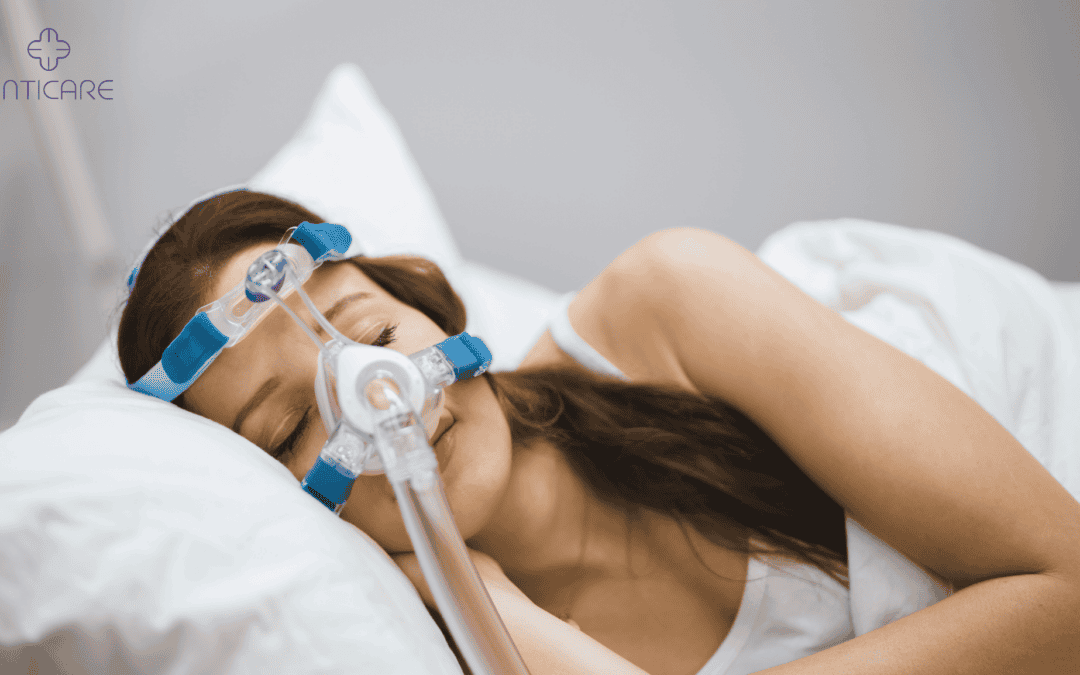

Sleep apnea is a common sleep disorder that can affect how well a person rests at night and how they feel during the day. Someone may spend seven or eight hours in bed but still wake up feeling exhausted, experience morning headaches, have trouble concentrating, or feel unusually sleepy throughout the day.
The good news is that sleep apnea can often be managed with effective treatment. However, the best option depends on the type and severity of sleep apnea, a person’s overall health, lifestyle, and the recommendations of a healthcare professional.
Treatment costs can also vary considerably. Some people may spend relatively little on lifestyle changes, while others may need a sleep study, a CPAP machine, an oral appliance, medication for another condition, or a procedure. Health insurance can cover some of these expenses when medical criteria are met, but deductibles, copayments, coinsurance, and coverage rules can still affect the final amount.
Understanding the available options and potential costs can make it easier to discuss treatment choices with a healthcare provider.
What Is Sleep Apnea?
Sleep apnea occurs when breathing repeatedly stops or becomes restricted during sleep. These interruptions can happen many times during a single night and may prevent the body from getting consistently adequate oxygen and restorative sleep.
The most common type is obstructive sleep apnea (OSA). It occurs when the upper airway becomes blocked or narrowed during sleep. Factors such as airway anatomy, excess weight, alcohol consumption, certain medications, and sleeping position can contribute to the problem.
Another form, central sleep apnea, happens when the brain does not consistently send the appropriate signals to the muscles responsible for breathing. It is less common and may be associated with certain medical conditions or medications.
Because the underlying causes can differ, treatment is not necessarily the same for everyone.
How Much Does Sleep Apnea Treatment Cost?
There is no single price for treating sleep apnea. The total expense can depend on the diagnostic process, treatment selected, insurance coverage, equipment, medical appointments, and where a person receives care.
For someone with health insurance, the out-of-pocket cost may be substantially lower than the listed price. However, patients may still have to meet a deductible or pay copayments or coinsurance.
Without insurance, expenses can include the initial medical consultation, sleep testing, follow-up appointments, equipment, replacement supplies, and potentially other treatments.
This is why it is useful to ask both the healthcare provider and insurance company for an estimate before starting treatment.
1. Lifestyle Changes
For some people, lifestyle changes may be recommended as part of their sleep apnea treatment plan. These changes can sometimes improve symptoms, although they should not be considered a substitute for medically recommended treatment when sleep apnea is significant.
Weight management can be particularly relevant for people whose sleep apnea is associated with excess weight. Even a modest reduction in weight may improve breathing during sleep for some individuals.
Other changes may include avoiding alcohol close to bedtime, maintaining a consistent sleep schedule, becoming more physically active, and discussing medications that may worsen nighttime breathing with a healthcare professional.
Potential Cost
Lifestyle changes can be among the least expensive parts of a treatment plan. Walking, improving sleep habits, and making dietary changes may require little or no direct medical expense.
However, some people choose to work with a registered dietitian, fitness professional, or structured weight-management program, which can add to the cost.
2. CPAP Therapy
Continuous positive airway pressure, commonly called CPAP, is one of the best-known treatments for obstructive sleep apnea.
A CPAP machine delivers a steady stream of air through a mask while a person sleeps. The pressure helps keep the airway open, reducing breathing interruptions.
CPAP therapy can be highly effective when the appropriate pressure and mask are used consistently. However, some people need time to adjust to wearing a mask during sleep.
There are several types of CPAP masks, including nasal masks, nasal pillows, and full-face masks. Finding a comfortable mask can make a significant difference in long-term use.
How Much Does a CPAP Machine Cost?
The retail price of CPAP equipment can vary substantially depending on the machine, brand, features, and supplier. A complete setup may include the machine, mask, tubing, humidifier components, and other accessories.
Insurance may cover some or much of the cost when the patient meets the insurer’s requirements. Some insurance plans also treat CPAP equipment as durable medical equipment and may have specific rules about rental periods, replacement supplies, or approved suppliers.
Patients paying without insurance may need to compare prices from different medical-equipment suppliers.
3. APAP and BiPAP Machines
Not everyone uses a traditional CPAP machine. Depending on the individual’s breathing pattern and medical needs, a healthcare provider may recommend another type of positive airway pressure therapy.
APAP, or auto-adjusting positive airway pressure, automatically changes pressure within a prescribed range based on breathing patterns.
BiPAP, or bilevel positive airway pressure, provides different pressure levels when breathing in and breathing out. It may be recommended for certain patients who require a different form of respiratory support.
These machines can cost more than basic CPAP equipment, although insurance coverage and medical necessity can significantly influence the patient’s out-of-pocket expense.
4. Oral Appliances
An oral appliance is another treatment option for some people with obstructive sleep apnea, particularly those with certain mild or moderate cases or people who cannot tolerate CPAP.
The device is worn inside the mouth during sleep and is designed to help maintain a more open airway. Some appliances work by gently repositioning the lower jaw or tongue.
A sleep specialist or qualified dental professional can determine whether an oral appliance may be appropriate.
Cost of an Oral Appliance
The cost can vary depending on the type of appliance, whether it is custom-made, the provider, and insurance coverage.
A custom oral appliance can cost several hundred to several thousand dollars without insurance. Insurance coverage varies considerably, so it is important to check the plan before treatment.
Over-the-counter devices may be less expensive, but they are not necessarily appropriate for everyone and should not automatically be considered equivalent to a professionally fitted appliance.
5. Sleep Position Therapy
Some people experience more breathing problems when sleeping on their backs. In these cases, a healthcare professional may recommend positional therapy.
The goal is to encourage sleeping on the side or another position that may reduce airway obstruction.
Special pillows, wearable devices, or positional trainers may be used depending on the person’s needs.
Potential Cost
This can be a relatively inexpensive treatment compared with medical equipment or procedures. However, the effectiveness depends on the individual and the specific type of sleep apnea.
It is important not to assume that changing sleep position alone will adequately treat moderate or severe sleep apnea.
6. Treating Nasal Congestion and Other Contributing Problems
Nasal congestion can make nighttime breathing more difficult and may also make certain sleep apnea treatments harder to tolerate.
A healthcare professional may recommend addressing allergies, chronic nasal congestion, or structural nasal problems when appropriate.
Treatment could involve managing allergies, using prescribed medication, or addressing an underlying nasal condition.
The cost depends on the cause and treatment. Some medications may be relatively inexpensive, while specialist evaluation or procedures can cost considerably more.
7. Weight-Management Treatment
For some individuals with obstructive sleep apnea, weight management can be an important part of treatment.
A healthcare professional may recommend dietary changes, physical activity, behavioral support, or a structured medical weight-management program.
In some circumstances, prescription medications or other medical approaches may be considered. Whether these treatments are appropriate depends on the person’s health history and medical needs.
How Much Can Weight-Management Treatment Cost?
Costs vary widely. Lifestyle-based programs may be relatively affordable, while medically supervised programs and prescription treatments can be considerably more expensive.
Insurance coverage also varies. Some health plans cover certain weight-management services while excluding others.
Because of the potential cost, patients should ask their healthcare provider and insurer about eligibility, coverage, and expected out-of-pocket expenses.
8. Surgery for Sleep Apnea
Surgery may be considered for certain people when other treatments are unsuccessful, poorly tolerated, or unlikely to address the underlying problem.
There are several types of procedures, and the appropriate option depends on the person’s anatomy and the cause of airway obstruction.
Some procedures focus on removing or modifying tissue that contributes to airway blockage, while others may alter the structure of the airway.
Because surgery can involve substantial medical costs and recovery time, it is generally considered only after a thorough evaluation.
How Much Does Sleep Apnea Surgery Cost?
The cost can range from several thousand dollars to substantially more depending on the procedure, surgeon, hospital, geographic location, anesthesia, follow-up care, and insurance coverage.
Insurance may cover medically necessary procedures in qualifying cases, but patients should confirm coverage requirements before scheduling surgery.
9. Inspire Therapy and Other Implantable Treatments
Some people who cannot tolerate CPAP may be evaluated for an implantable treatment such as hypoglossal nerve stimulation.
One example is an implanted system that stimulates nerves controlling the tongue and helps prevent the airway from becoming blocked during sleep.
This type of treatment is not suitable for everyone. Patients generally need to meet specific medical criteria before being considered.
Because it involves an implant procedure and follow-up care, the total cost can be significant. Insurance coverage depends on the patient’s plan and eligibility.
The Cost of a Sleep Study
Before choosing a treatment, many people need testing to determine whether they have sleep apnea and how severe it is.
A home sleep apnea test may be appropriate for some adults and can generally be performed at home using specialized equipment.
Other patients may need an overnight sleep study at a sleep center, where breathing, oxygen levels, heart rate, movement, and other measurements can be monitored.
The price of a sleep study varies significantly depending on the type of test, provider, location, and insurance coverage.
For people without insurance, a home test may sometimes cost less than an overnight laboratory study, but a healthcare professional should determine which type of testing is appropriate.
Does Health Insurance Cover Sleep Apnea Treatment?
Many health insurance plans may provide coverage for medically necessary sleep apnea evaluation and treatment, but coverage rules differ.
Insurance may require documentation of the diagnosis, a qualifying sleep study, specific severity criteria, or proof that a particular treatment is medically necessary.
For equipment such as CPAP machines, an insurer may also have rules regarding approved suppliers and replacement schedules.
Before starting treatment, it is worth asking:
- Is the sleep study covered?
- What deductible applies?
- What is the copayment or coinsurance?
- Does the plan cover CPAP equipment?
- Which medical-equipment suppliers are in network?
- How often can masks and other supplies be replaced?
- Are oral appliances covered?
- Does the plan cover surgical treatment if medically necessary?
Getting these answers beforehand can prevent unexpected bills.
When Should You Talk to a Doctor?
Persistent loud snoring does not automatically mean someone has sleep apnea, but it can be one of the warning signs.
Other symptoms can include witnessed pauses in breathing during sleep, gasping or choking at night, morning headaches, excessive daytime sleepiness, difficulty concentrating, irritability, and waking up repeatedly during the night.
If these symptoms occur regularly, talking with a healthcare professional can help determine whether sleep apnea or another sleep disorder could be involved.
Untreated sleep apnea can be associated with several health problems, so it is worth taking persistent symptoms seriously rather than assuming poor sleep is simply part of getting older or having a busy schedule.
Choosing the Right Treatment
The most appropriate treatment depends on the individual. One person may benefit greatly from CPAP, while another may be a better candidate for an oral appliance or another approach.
The severity of the condition, anatomy, other health conditions, lifestyle, treatment preferences, and ability to consistently use a treatment all matter.
Cost is also a reasonable factor to consider, but the cheapest option is not necessarily the most appropriate one.
A treatment that works effectively and can be used consistently may provide greater long-term value than an inexpensive option that does not adequately control the condition.
Final Thoughts
Sleep apnea treatment can range from simple lifestyle adjustments to advanced medical equipment or surgical procedures. The total cost can therefore vary from relatively little to several thousand dollars or more.
CPAP remains an important treatment for many people with obstructive sleep apnea, while oral appliances, positional therapy, weight-management approaches, and certain procedures may be appropriate in other situations.
Because insurance coverage differs, understanding both the medical options and the financial side of treatment is important. If you regularly wake up exhausted, snore loudly, experience nighttime breathing interruptions, or feel excessively sleepy during the day, consider discussing your symptoms with a healthcare professional.
The right diagnosis is the first step toward finding a treatment that is both medically appropriate and financially manageable.