




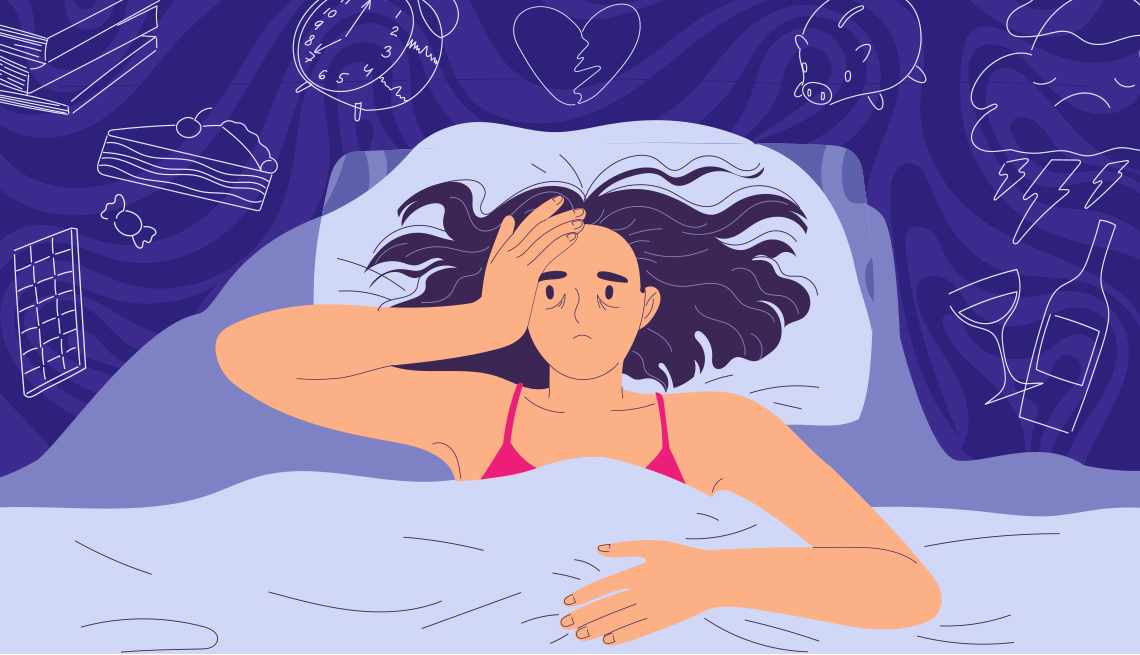

Taking a break from an unhealthy habit can be one of the most meaningful changes a person makes for everyday well-being. Habits often become part of a routine so gradually that people may not realize how strongly they can influence energy, concentration, sleep, mood, productivity, and general lifestyle.
The encouraging part is that positive change does not always require an immediate, complete transformation. Even a deliberate break can give a person an opportunity to observe how their body and mind respond when certain routines are reduced or replaced with healthier choices.
Of course, the results can vary depending on the habit, how long it has been part of someone’s life, and the person’s overall health and lifestyle. Some changes may be noticeable relatively quickly, while others develop gradually over weeks or months.
Here are some of the changes people may notice when they step away from habits that are no longer supporting their well-being.
1. You May Notice More Stable Energy Throughout the Day
One of the first things people may notice after changing an unhealthy routine is a difference in everyday energy. Certain habits can create a cycle in which someone feels temporarily better or more alert but later experiences tiredness, reduced motivation, or difficulty getting through ordinary responsibilities.
When that routine is interrupted, the body has an opportunity to settle into a more consistent pattern. This does not necessarily mean someone will suddenly feel energetic from morning until night. Instead, the improvement may be subtle. A person may notice fewer periods when their energy unexpectedly drops or discover that ordinary tasks feel easier to manage.
Stable energy can influence many other areas of life. When people feel more consistent throughout the day, they may find it easier to work, study, exercise, complete household responsibilities, or spend quality time with family and friends.
Another important factor is routine. Unhealthy habits sometimes become connected with specific situations. Someone may automatically repeat a particular behavior whenever they feel tired, stressed, bored, or overwhelmed.
Taking a break creates space between the feeling and the response. That space can make it easier to recognize what the body actually needs. Sometimes the answer may be rest. At other times, it could be water, nutritious food, movement, fresh air, or simply a few quiet minutes.
This awareness can become an important part of long-term lifestyle improvement.
2. Your Sleep Routine May Become More Consistent
Sleep is closely connected with everyday habits. When someone takes a break from routines that interfere with their evening schedule, they may gradually notice that it becomes easier to maintain a more predictable bedtime and morning routine.
Better rest can also make other healthy decisions easier. When people are well rested, they may have more energy for movement, better concentration during the day, and greater motivation to complete responsibilities.
However, changes in sleep are not always immediate. The body may need time to adjust to a different schedule, particularly if an unhealthy routine has been part of everyday life for a long period.
The important goal is not to expect perfect sleep every night. Occasional difficult nights are normal. The larger objective is to create a pattern that supports consistent rest over time.
A healthier evening routine can influence the entire following day. When mornings become more predictable, meals, work, exercise, relaxation, and personal responsibilities can become easier to organize.
This is one reason changing a single habit can sometimes affect much more than the habit itself.
3. You May Find It Easier to Concentrate
An unhealthy routine can sometimes consume more mental attention than people realize. When a person repeatedly thinks about, plans around, or returns to a particular habit, there may be less mental energy available for other priorities.
Taking a break can create additional mental space.
People may begin noticing that reading, studying, working, writing, planning, or completing household tasks feels less difficult. The improvement may not be dramatic, but even a small increase in concentration can make everyday responsibilities feel more manageable.
Better sleep can also contribute to improved attention. When someone is consistently tired, even relatively simple tasks can require greater effort. Establishing healthier routines may therefore support several areas simultaneously.
Better rest can support alertness. More stable energy can support endurance. Reduced distractions can support sustained attention.
Another benefit can be increased confidence. Completing something important without repeatedly returning to an old routine can demonstrate that change is possible.
That experience may encourage a person to make other positive changes as well.
4. You May Become More Aware of Your Daily Patterns
Taking a break can reveal how frequently a particular habit is connected with certain situations.
Before making a change, many routines happen automatically. A person may not realize what causes them to repeat the same behavior.
Once the routine is interrupted, those triggers can become easier to recognize.
Someone might discover that the habit usually appears during periods of boredom. Another person may notice that it happens when they are tired. Someone else may associate it with a particular time of day, location, social situation, or emotional state.
Recognizing these patterns is valuable because awareness is an important part of meaningful change.
Instead of criticizing themselves, people can simply observe what is happening.
They might notice a sequence such as feeling stressed, following a familiar routine for temporary comfort, and later experiencing disappointment about repeating the same behavior.
Once the sequence becomes visible, alternatives become easier to consider.
Perhaps a short walk would help. Perhaps talking with someone supportive would be useful. Perhaps taking a break from the environment would make the situation easier.
The appropriate alternative will differ from person to person.
What matters is learning what genuinely supports the individual.
5. You May Feel More in Control of Your Routine
One of the most encouraging effects of changing an unhealthy habit is the gradual development of a stronger sense of control.
When a routine becomes automatic, it can sometimes feel as though the habit is making the decision rather than the person.
Interrupting that cycle can restore a sense of choice.
At first, this may be challenging. Established routines often have strong connections with familiar environments, emotions, schedules, and expectations.
However, every successful interruption provides useful evidence that routines can change.
A person may discover that they can experience a familiar situation without automatically returning to the old pattern.
That realization can be empowering.
It can also increase confidence in other areas of life.
The goal does not need to be changing everything at once. Focusing on one manageable improvement can often be more sustainable than attempting a complete lifestyle transformation overnight.
Over time, small changes can accumulate.
A schedule can be redesigned. An environment can be adjusted. Healthier alternatives can be introduced. Daily priorities can become clearer.
This can gradually create a different experience of everyday life.
6. Your Mood May Feel More Balanced
Habits are not always purely physical or behavioral. Many routines become connected with emotions such as boredom, frustration, pressure, tiredness, or disappointment.
When a person repeatedly responds to those feelings in the same way, the behavior can become automatic.
Creating a break provides an opportunity to understand emotions more clearly.
Instead of immediately responding to a difficult feeling with the familiar routine, a person can pause and consider what is actually happening.
Mood is influenced by many factors, including sleep, stress, relationships, physical activity, responsibilities, and overall lifestyle. Changing one habit cannot guarantee constant happiness, but it may remove one source of unnecessary disruption.
Healthier routines can also provide greater structure.
Regular sleep, balanced meals, movement, relaxation, and meaningful activities can create stability throughout the day.
That stability may make ordinary challenges easier to manage.
The goal is not to eliminate difficult emotions. Everyone experiences frustration, sadness, worry, and disappointment.
Emotional balance means becoming better able to recognize those feelings without allowing them to automatically determine the next action.
That ability can become an important long-term skill.
7. You May Have More Time for Meaningful Activities
Unhealthy habits can sometimes consume more time than people realize.
A routine that takes only a few minutes at a time can become significant when repeated throughout the day or week.
Taking a break creates an opportunity to use that time differently.
Someone might return to a hobby they had neglected. Another person might spend more time exercising, reading, cooking, learning, organizing their home, or connecting with family.
This can create a positive cycle.
More time spent on constructive activities can create a greater sense of accomplishment. That sense of progress can improve motivation, which can make healthier routines easier to continue.
The important point is that removing a habit is often easier when something positive takes its place.
If the newly available time remains completely empty, the old routine may become attractive again.
Having a few enjoyable and constructive alternatives ready can make the transition much easier.
8. Your Physical Well-Being May Benefit
The body responds to daily routines, and changing unhealthy behaviors may give it an opportunity to function under more supportive conditions.
The specific benefits depend on the habit being changed and the individual’s circumstances.
However, healthier routines often support fundamental areas such as sleep, nutrition, hydration, physical activity, and recovery.
When a person reduces a routine that interferes with these foundations, they may gradually notice changes in how they feel throughout the day.
Some improvements may be subtle.
Ordinary movement may feel easier. Daily tiredness may become less noticeable. A regular schedule may become easier to maintain.
Movement is especially valuable because it does not necessarily require an intense exercise program.
Walking, stretching, household activities, recreational movement, and other manageable forms of activity can contribute to a healthier lifestyle.
Consistency is generally more useful than attempting an unrealistic routine for a short period.
The same principle applies to food.
Changing an unhealthy habit can encourage someone to pay more attention to meals and overall nutrition rather than relying automatically on convenient choices.
Healthy eating does not require perfection. What matters most is the overall pattern of choices over time.
9. You May Handle Stress Differently
Stress is one of the most common reasons people return to familiar habits.
When life becomes difficult, people naturally look for something that provides comfort, distraction, or relief.
If an unhealthy habit has become connected with stress, stepping away from it can initially feel difficult.
However, the break can create an opportunity to develop different responses.
A short walk, quiet time, stretching, reading, listening to music, organizing a task, or talking with someone trustworthy may provide a healthier way to move through a stressful moment.
Planning can also help.
Some unhealthy behaviors become more tempting when responsibilities feel chaotic. Breaking a large task into smaller steps can make the day feel more manageable.
Another useful strategy is simply learning to pause.
A stressful situation does not always require an immediate reaction.
Taking a few moments to recognize what is happening can create distance between an emotional trigger and an automatic behavior.
Over time, this pause can become a valuable habit itself.
10. You May Become Better at Making Decisions
Changing a routine can improve awareness of the decision-making process.
Instead of automatically doing what feels familiar, a person begins asking whether a particular choice actually supports their goals.
This is a powerful shift.
Good decisions become easier when the environment supports them. Preparing healthier options, organizing the day, maintaining a consistent sleep schedule, and reducing unnecessary distractions can all reduce the number of difficult decisions a person has to make.
The environment also matters.
People are influenced by their surroundings, including social situations and daily routines. Spending time in environments that support positive changes can make those changes feel more natural.
The same principle applies to digital distractions.
Phones, notifications, entertainment, and constant stimulation can influence attention and daily routines.
A person taking a break from one unhealthy behavior may discover that several other habits also deserve closer attention.
This does not mean eliminating everything enjoyable.
The objective is simply to become more intentional about how time and attention are being used.
11. Your Productivity May Improve
When an unhealthy habit takes up time or mental attention, other responsibilities can become harder to manage.
Reducing that routine can create additional space for productive activities.
A person may find it easier to complete work, organize their home, manage appointments, study, or pursue personal goals.
Productivity does not mean being busy every minute.
Rest and recreation are also important.
The real benefit is having greater control over how available time is used.
Someone may discover that they have more time for activities they genuinely value.
That realization can be surprisingly motivating.
Small accomplishments can also build momentum.
Finishing one important task can make the next task feel more manageable.
Over time, productive behavior can become part of the new routine.
12. You May Develop Stronger Self-Discipline
Taking a break from an unhealthy habit can strengthen the ability to follow through on personal decisions.
Every time someone chooses not to automatically return to an old routine, they practice deliberate decision-making.
This does not mean relying on willpower alone.
Good environments and practical planning can make healthy decisions much easier.
For example, preparing alternatives in advance can reduce temptation. Changing a daily schedule can remove familiar triggers. Creating realistic goals can prevent unnecessary frustration.
Discipline is not about being perfect.
It is about continuing to make reasonable choices even when motivation changes.
There will be difficult days.
There may be interruptions.
The important skill is learning to return to the healthier routine rather than assuming one setback has ruined all progress.
That mindset makes long-term change much more realistic.
13. Your Self-Confidence May Increase
Successfully changing a habit can affect how people see themselves.
When someone repeatedly keeps a reasonable commitment to themselves, they may develop greater confidence in their ability to make changes.
This can extend beyond the original habit.
A person who learns to change one routine may become more willing to improve exercise, organization, finances, education, career goals, or other areas of life.
The change does not have to be dramatic.
Small victories matter.
Following through on a planned walk, maintaining a healthier evening routine, preparing a balanced meal, or choosing a constructive activity instead of an automatic old behavior can all reinforce the belief that change is possible.
Over time, these experiences can strengthen self-trust.
14. You May Understand Your Triggers Better
One of the most useful things about taking a break is discovering what tends to bring the old habit back.
Triggers can include emotions, locations, people, times of day, social situations, fatigue, boredom, or stress.
Once those triggers are identified, preparation becomes easier.
A person can decide in advance what they want to do when the trigger appears.
This is often more effective than simply promising not to repeat the behavior.
Replacement is important.
If a familiar routine disappears without an alternative, returning to it can feel easier.
Having a healthier response prepared creates another option.
Over time, the new response can become increasingly familiar.
15. You May Become More Patient With Yourself
Meaningful lifestyle change rarely happens overnight.
People often expect immediate results and become discouraged when progress feels slow.
Taking a break can teach an important lesson: improvement is usually a process rather than a single event.
The body and mind may need time to adjust.
Some benefits may appear quickly, while others may take longer.
Progress may also be uneven.
One difficult day does not erase previous progress.
One imperfect decision does not mean the entire effort has failed.
Looking at the overall pattern is usually more useful.
Are healthier choices becoming more common? Are triggers easier to recognize? Is returning to the desired routine becoming easier?
These questions provide a more realistic picture of improvement.
16. Your Priorities May Become Clearer
Changing an unhealthy habit can create space for reflection.
A person may begin asking what they actually want from their daily life.
Perhaps they want more energy for their family.
Perhaps they want to become more active.
Maybe they want to improve their work performance, spend more time on personal interests, or simply feel more organized.
When an automatic routine is removed, those priorities can become easier to see.
This can make lifestyle changes feel more meaningful.
Instead of thinking only about what they are giving up, people can begin thinking about what they are gaining.
That shift in perspective can make healthy decisions easier to maintain.
17. You May Develop Better Long-Term Routines
A temporary break can sometimes become the starting point for a permanent improvement.
The process usually begins with awareness.
A person notices that a particular behavior is no longer serving them.
They take a break.
They observe the results.
They identify triggers.
They experiment with healthier alternatives.
Eventually, one of those alternatives may become part of the normal daily routine.
This is how lasting change can develop.
The goal is not necessarily to make life extremely strict.
Healthy routines should still leave room for relaxation, enjoyment, social connection, and flexibility.
A sustainable lifestyle is one that can realistically be maintained.
18. You May Start Thinking More About Long-Term Well-Being
Perhaps the biggest change is a shift in perspective.
Instead of thinking only about what feels convenient today, a person may begin considering how everyday decisions influence the future.
Long-term well-being is built from repeated ordinary choices.
Sleep, nutrition, movement, stress management, relationships, personal goals, and rest all contribute to quality of life.
No single decision determines someone’s future.
The overall pattern matters more.
Taking a break can make that pattern easier to recognize.
A person may realize that small choices accumulate over time.
A healthier evening can support better sleep.
Better sleep can support more energy.
More energy can make movement easier.
Movement can support mood and general fitness.
A more organized routine can create additional time for meaningful activities.
These connections can reinforce one another.
Final Thoughts
Taking a break from unhealthy habits can be much more meaningful than simply stopping one routine for a short period.
It can create an opportunity to observe how everyday choices influence energy, sleep, concentration, mood, productivity, confidence, stress management, and general well-being.
The most important change may be awareness.
When people become more aware of their routines, they can begin recognizing triggers, identifying patterns, and making decisions with greater intention.
They may discover that some habits were connected with boredom, stress, tiredness, or environmental cues rather than genuine needs.
That understanding can make healthier alternatives easier to develop.
A break can also create valuable space. Time that was previously spent repeating an unhelpful routine can be redirected toward rest, movement, learning, hobbies, responsibilities, meaningful relationships, and personal goals.
Just as importantly, every deliberate choice can strengthen confidence.
A person begins to see that routines are not necessarily permanent. They can be evaluated, adjusted, and replaced.
That does not mean change will always be easy.
There may be setbacks, difficult days, and periods when motivation becomes weaker. Those moments do not erase previous progress.
The goal is not perfection. The goal is to keep moving toward healthier and more sustainable routines.
For some habits, particularly those involving physical or psychological dependence, stopping suddenly may not be appropriate or safe. In those situations, professional medical or behavioral support can be important.
Ultimately, taking a break from an unhealthy habit is not simply about saying no to something.
It is about creating room for something better.
You do not have to transform your entire life in one day. One healthier decision can be the beginning. With time, that decision can become a routine, and that routine can become part of a lifestyle that supports greater balance, awareness, and well-being.