




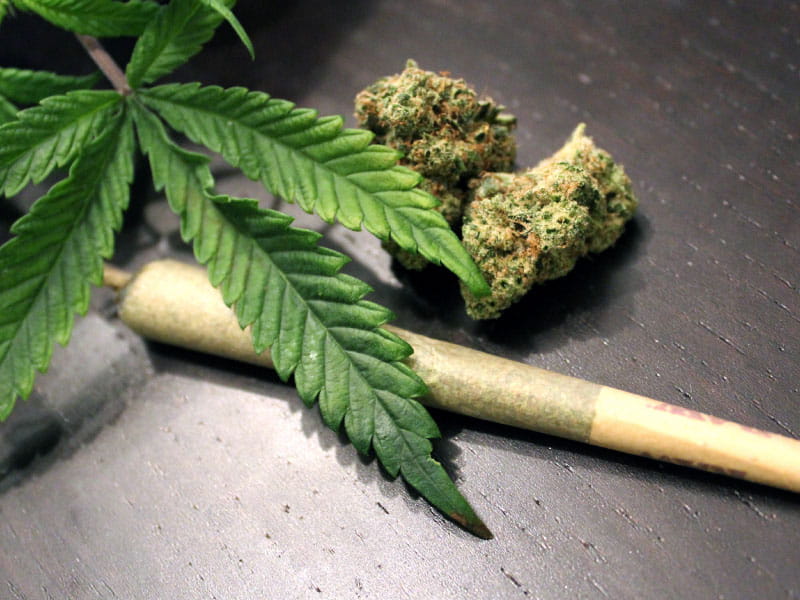

If You’re Still Smoking Weed at 30, Scientists Say There May Be Some Serious Risks
As marijuana becomes increasingly legalized across the United States, more adults are using cannabis regularly well into their 30s and beyond. For many people, smoking weed is viewed as less harmful than cigarettes or alcohol, and public attitudes toward cannabis have changed dramatically over the last decade.
However, scientists continue studying the long-term effects of frequent marijuana use — and some recent findings are raising concerns, especially for adults who continue heavy use into their 30s.
While occasional cannabis use may not affect everyone the same way, researchers say long-term, frequent marijuana consumption could potentially impact mental health, memory, motivation, cardiovascular health, and overall brain function.
Here’s what scientists are warning about and why experts say adults should pay attention to the growing research.
Marijuana Today Is Much Stronger Than It Used to Be
One major concern among researchers is that modern cannabis products are significantly more potent than those used decades ago.
Today’s marijuana often contains much higher levels of THC — the psychoactive compound responsible for the “high.”
According to researchers, stronger THC concentrations may increase the risk of:
- Dependency
- Anxiety
- Cognitive problems
- Mental health complications
- Impaired judgment
Many adults who used marijuana casually in their teens or twenties may not realize how much cannabis potency has changed over time.
1. Long-Term Memory and Cognitive Function May Be Affected
Scientists have spent years studying how long-term cannabis use affects the brain.
Some studies suggest heavy marijuana use over many years may impact:
- Short-term memory
- Attention span
- Learning ability
- Processing speed
- Decision-making
Researchers believe THC can affect areas of the brain involved in memory and executive function.
What Experts Are Concerned About
Adults who continue daily or near-daily cannabis use into their 30s may experience lingering cognitive effects, especially after long-term heavy use.
Some users report:
- Brain fog
- Forgetfulness
- Reduced concentration
- Difficulty staying motivated
However, the severity varies significantly from person to person.
2. Mental Health Risks May Increase
One of the biggest scientific concerns surrounding heavy cannabis use involves mental health.
Research suggests that frequent marijuana use — particularly high-THC products — may increase the risk of:
- Anxiety disorders
- Depression
- Panic attacks
- Psychosis in vulnerable individuals
- Schizophrenia-related symptoms in high-risk populations
Not everyone who uses cannabis experiences these problems, but scientists say the risks appear higher among heavy long-term users.
Younger Users Face Greater Risk
Studies suggest people who began using marijuana heavily during adolescence may face stronger long-term mental health effects later in adulthood.
3. Motivation and Productivity Can Decline
Researchers have also studied the connection between heavy cannabis use and reduced motivation.
Some long-term users report struggling with:
- Goal-setting
- Productivity
- Career focus
- Energy levels
- Daily discipline
Although the concept of “amotivational syndrome” remains debated among scientists, many experts acknowledge that excessive cannabis use can interfere with ambition and routine for certain individuals.
Why This Matters at 30
By age 30, many adults are focused on:
- Career advancement
- Financial stability
- Relationships
- Parenting
- Long-term goals
Scientists say heavy marijuana use may negatively affect consistency, focus, and lifestyle habits during a critical stage of adulthood.
4. Smoking Weed Can Still Affect Lung Health
Even though marijuana differs from tobacco, smoking any substance can irritate the lungs.
Frequent cannabis smoking has been linked to:
- Chronic coughing
- Increased mucus production
- Airway inflammation
- Breathing irritation
Some studies suggest marijuana smoke contains several of the same harmful toxins found in tobacco smoke.
Vaping Isn’t Completely Risk-Free Either
Scientists are also researching the long-term effects of cannabis vaping products, especially after concerns surrounding vaping-related lung injuries in recent years.
5. Dependency and Habit Formation Are Real
Many people believe marijuana is completely non-addictive, but experts say cannabis use disorder is a real medical condition.
Some long-term users develop symptoms such as:
- Cravings
- Irritability without cannabis
- Sleep problems
- Difficulty cutting back
- Increased tolerance
Research suggests approximately 1 in 10 marijuana users may develop dependency, with the risk increasing among daily users.
Cannabis Use and Heart Health
Emerging research is also examining marijuana’s effects on cardiovascular health.
Some studies suggest cannabis may temporarily:
- Increase heart rate
- Raise blood pressure
- Affect blood vessel function
Scientists are still studying whether long-term heavy use increases risks related to heart disease or stroke, especially in older adults.
Not All Experts Agree on Every Risk
It’s important to note that marijuana research is still evolving.
Some studies have limitations because cannabis remained federally restricted in the U.S. for many years, making large-scale research difficult.
Additionally:
- Not every user experiences negative effects
- Genetics may influence outcomes
- Frequency of use matters greatly
- THC strength varies widely
- Medical cannabis differs from recreational abuse
Many researchers agree occasional moderate use likely carries lower risks than heavy daily consumption.
Why Cannabis Legalization Changed Public Perception
As more U.S. states legalized marijuana, public perception shifted dramatically.
Many people now view cannabis as:
- Natural
- Safe
- Harmless
- Healthier than alcohol
While marijuana may indeed pose fewer risks than some substances, scientists caution that “less harmful” does not necessarily mean “risk-free.”
Signs Cannabis Use May Be Becoming a Problem
Experts recommend paying attention to warning signs such as:
- Needing cannabis daily
- Difficulty functioning without it
- Memory problems
- Declining motivation
- Relationship conflicts
- Increased anxiety
- Financial problems related to use
If marijuana use begins interfering with work, health, or relationships, it may be worth reevaluating habits.
Healthier Approaches for Adults Who Use Cannabis
For adults who choose to use marijuana, experts often recommend moderation and awareness.
Harm Reduction Tips
- Avoid high-THC products when possible
- Limit frequency of use
- Avoid mixing with alcohol
- Don’t drive while impaired
- Monitor mental health symptoms
- Discuss concerns with a healthcare professional
Final Thoughts
Scientists are continuing to study the long-term effects of marijuana, especially as more adults continue regular cannabis use into their 30s and beyond.
While not everyone who smokes weed experiences serious problems, research suggests heavy long-term use may increase risks related to memory, mental health, motivation, dependency, and physical health.
As cannabis becomes more socially accepted, experts say understanding both the benefits and the potential downsides is more important than ever.
The goal is not fear — it’s informed decision-making based on growing scientific evidence.