


If Your Partner Doesn’t Kiss You During Intimacy, It Could Mean These 9 Things
Physical intimacy is one of the most emotionally complex parts of a relationship. While many people focus on physical attraction alone, experts often explain that small behaviors during intimacy can reveal deeper emotional patterns between partners.
One behavior that frequently raises questions is kissing.
Many people wonder:
“If my partner avoids kissing me during intimacy, does it mean something is wrong?”
The answer is not always simple. Every relationship is different, and people express affection in different ways. Some individuals naturally enjoy kissing more than others, while emotional, psychological, cultural, or personal factors can also influence physical behavior.
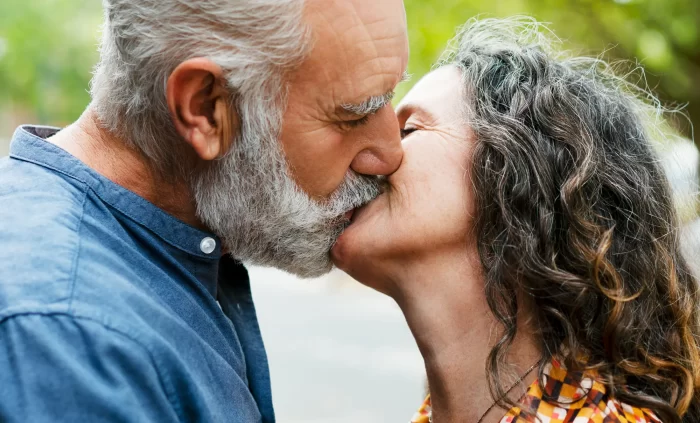
However, relationship experts agree that kissing often carries emotional meaning because it combines affection, vulnerability, connection, and intimacy.
If your partner rarely kisses you during intimate moments, here are several possible explanations that may help you better understand the situation.
1. They Struggle With Emotional Vulnerability
For many people, kissing feels more emotionally intimate than physical intimacy itself.
While physical closeness can sometimes feel purely physical, kissing often creates emotional exposure because it involves eye contact, tenderness, affection, and emotional presence.
Some individuals avoid deep kissing because they struggle with vulnerability.
This may happen if they:
- Have difficulty expressing emotions
- Fear emotional closeness
- Grew up in emotionally distant environments
- Experienced past emotional pain
- Feel uncomfortable showing affection openly
In these situations, the lack of kissing may not necessarily mean a lack of attraction. Instead, it may reflect emotional discomfort or personal habits developed over time.
2. Stress or Mental Exhaustion May Be Affecting Them
Daily stress can strongly impact romantic behavior.
When someone feels mentally overwhelmed by work, finances, responsibilities, anxiety, or emotional pressure, affectionate behavior often changes.
Stress may reduce a person’s desire for:
- Romantic gestures
- Emotional connection
- Physical affection
- Deep emotional interaction
Sometimes a partner becomes physically present during intimacy but emotionally distracted due to stress or mental exhaustion.
In long-term relationships, outside pressures can unintentionally affect emotional closeness between couples.
3. They May Express Love Differently
Not everyone experiences or expresses affection in the same way.
Relationship experts often discuss the concept of “love languages,” meaning different people naturally communicate care through different behaviors.
Some people prioritize:
- Acts of service
- Spending time together
- Physical touch
- Gifts
- Verbal reassurance
A partner who avoids kissing may still deeply care about you but show affection differently through support, loyalty, protection, or quality time.
This does not automatically mean emotional disconnection.
4. Emotional Distance Could Be Developing
Although there are many harmless explanations, reduced kissing can sometimes reflect emotional distance in a relationship.
Kissing is often associated with emotional bonding. When couples begin losing emotional connection, affectionate behaviors may gradually decrease.
Possible signs of emotional distance include:
- Reduced communication
- Less eye contact
- Avoiding affection outside intimacy
- Feeling emotionally disconnected
- Spending less quality time together
If the lack of kissing is combined with multiple emotional changes, it may be worth discussing the relationship openly and honestly.
Healthy relationships require emotional closeness as well as physical connection.
5. They May Feel Insecure or Self-Conscious
Sometimes people avoid kissing because of insecurity rather than emotional detachment.
Personal concerns may include:
- Fear of bad breath
- Dental insecurities
- Low self-confidence
- Body image struggles
- Anxiety about intimacy
Insecurity can quietly affect physical behavior in relationships.
A partner who seems emotionally distant may actually be feeling anxious or self-conscious internally.
Supportive communication can often help create greater comfort and openness.
6. Past Relationship Experiences May Affect Their Behavior
Past emotional experiences shape how people behave in current relationships.
Someone who experienced:
- Toxic relationships
- Emotional betrayal
- Rejection
- Trauma
- Manipulation
- Heartbreak
may unconsciously avoid emotionally intimate behaviors such as kissing.
For some individuals, emotional closeness feels risky because previous experiences created fear around vulnerability.
This is especially common among people who learned to emotionally protect themselves after painful relationships.
7. They May Be Focused More on Physical Intimacy Than Emotional Intimacy
In some cases, people separate emotional intimacy from physical intimacy more than their partners do.
This means they may engage physically while placing less emotional importance on behaviors like kissing, cuddling, or affectionate touch.
This difference can create confusion when one partner views kissing as emotionally meaningful while the other views intimacy more physically.
Relationship expectations often vary depending on:
- Personality
- Upbringing
- Culture
- Emotional maturity
- Past experiences
Understanding each other’s emotional needs is important for long-term relationship satisfaction.
8. Routine and Familiarity Can Reduce Affection
Long-term relationships sometimes become routine.
Busy schedules, parenting responsibilities, work stress, and daily habits can slowly reduce romantic behaviors without either partner fully noticing.
Over time, couples may unintentionally stop prioritizing:
- Kissing
- Flirting
- Date nights
- Emotional conversations
- Romantic gestures
This does not always mean love is gone.
Sometimes affection simply becomes less intentional due to familiarity and routine.
Couples who actively maintain emotional connection often experience stronger long-term intimacy.
9. Communication Problems May Exist Beneath the Surface
In many relationships, physical changes reflect emotional communication issues.
Unresolved conflicts, resentment, misunderstandings, or emotional frustration can affect affection without being openly discussed.
If emotional tension exists beneath the surface, physical intimacy may begin feeling less emotionally connected.
Signs communication problems may be affecting intimacy include:
- Frequent arguments
- Emotional withdrawal
- Avoiding difficult conversations
- Passive aggression
- Feeling misunderstood
Addressing emotional issues directly often improves physical closeness naturally.
The Emotional Importance of Kissing in Relationships
Psychologists often describe kissing as more than a physical act.
Kissing can represent:
- Trust
- Emotional bonding
- Desire
- Affection
- Vulnerability
- Romantic connection
Research suggests affectionate physical touch may help strengthen emotional attachment between couples.
For many people, kissing creates feelings of reassurance, safety, and emotional closeness.
This is why the absence of kissing can sometimes feel emotionally confusing or painful in relationships.
When Should You Be Concerned?
A lack of kissing is not automatically a sign of relationship problems.
However, concern may be reasonable if it happens alongside:
- Emotional coldness
- Constant avoidance of affection
- Lack of communication
- Loss of intimacy overall
- Frequent conflict
- Feeling emotionally neglected
Healthy relationships usually involve both emotional and physical connection.
If something feels emotionally different, open communication is often more helpful than assumptions.
How to Talk About It Without Starting Conflict
Discussing intimacy can feel uncomfortable, but respectful communication is important.
Instead of accusing or criticizing your partner, try expressing your feelings calmly.
Examples include:
- “I miss feeling emotionally close to you.”
- “I love when we share affection.”
- “I’ve noticed we kiss less lately.”
- “Is everything okay between us emotionally?”
Gentle communication creates safer conversations than blame or pressure.
The goal should be understanding each other — not winning an argument.
Building Emotional Intimacy Again
If emotional closeness has faded, small actions can help reconnect couples over time.
Healthy habits include:
- Spending quality time together
- Reducing distractions during conversations
- Showing appreciation
- Being emotionally supportive
- Planning romantic activities
- Reintroducing affectionate touch gradually
Strong emotional intimacy usually develops through consistency, attention, and communication.
Final Thoughts
If your partner does not kiss you during intimacy, it does not automatically mean they no longer care about you. Human behavior is influenced by personality, emotional history, stress, communication patterns, and relationship dynamics.
However, because kissing often represents emotional closeness, changes in affectionate behavior can sometimes reveal deeper emotional needs within a relationship.
The healthiest approach is honest communication, emotional understanding, and mutual respect.
In strong relationships, emotional connection and physical intimacy work best when both partners feel seen, valued, and emotionally safe.