




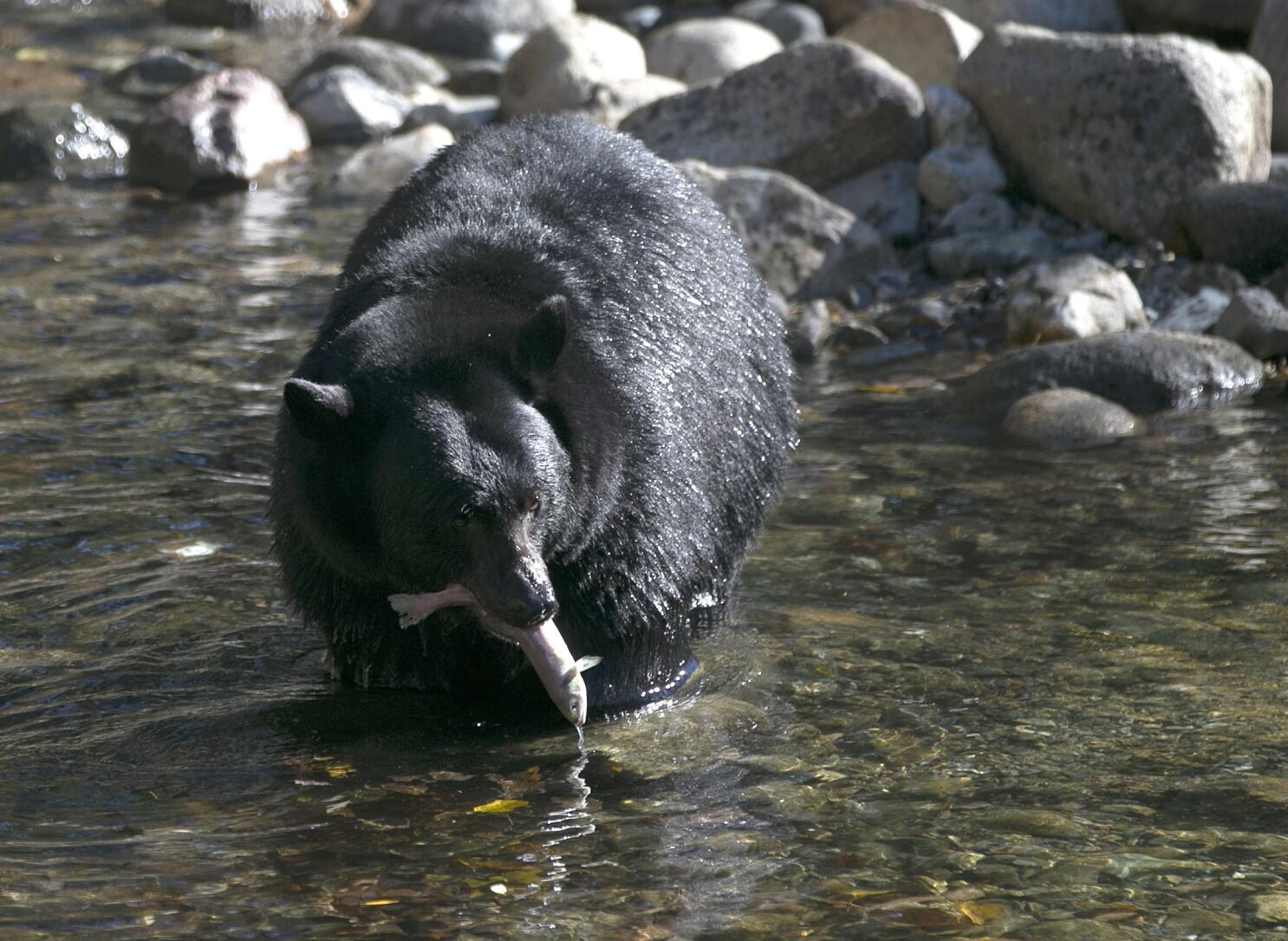

1. Historical Context: The First Confirmed Fatal Black Bear Attack in California
In the annals of California’s modern wildlife history, the case of a woman killed by a black bear stands out as an unprecedented and deeply sobering milestone. According to state wildlife authorities, the death of 71‑year‑old Patrice Miller in November 2023 was confirmed to be the first documented fatal attack by a black bear on a human in the state’s recorded history. This distinction is significant, given California’s long association with varied bear species—from the historic grizzlies of the past to today’s American black bears, which are far more common in the state’s forests and foothills. Prior to this incident, black bear interactions with humans in California typically involved nonfatal encounters or property damage. The confirmation of a fatal attack underscores both the rarity and the seriousness of this occurrence. While wildlife officials and conservation experts have long worked to minimize risks associated with bear behavior, this tragic outcome has sparked increased attention toward how human communities and wildlife populations intersect.
2. The Community Setting: Downieville’s Unique Environment
The small community of Downieville, nestled in Sierra County amidst the Sierra Nevada mountains, provided the backdrop for this extraordinary and distressing event. With a population of just a few hundred residents, Downieville is a tight‑knit mountain town where neighbors know one another and local wildlife coexists closely with human habitation. Surrounded by forests, rivers, and steep terrain, the area is home to a healthy population of black bears. In recent years, California wildlife officials estimated that the state’s black bear population has grown substantially, contributing to more frequent interactions between humans and these animals near residential areas. In line with this trend, residents of Downieville reported increasingly regular sightings of bears near homes and along local roads. The blend of proximity to natural habitat and limited barriers between wildlife territories and human dwellings created conditions in which a determined or habituated bear could repeatedly visit residential spaces. This context played an important role in the events that unfolded around Patrice Miller’s home.
3. Months of Unusual Bear Activity Around One Residence
According to accounts from neighbors and local reports, a particular black bear was repeatedly seen around the residence of Ms. Miller for an extended period before her death. Residents noted that this bear, along with occasional others, seemed unusually comfortable lingering near her house. Some observers reported sightings multiple times over days or weeks, with the animal approaching close to doors, windows, and outdoor spaces. Even more unusually, the woman herself reportedly encountered this bear on several occasions and referred to it with a nickname, indicating a degree of familiarity between them. Except in rare documented cases, black bears tend to avoid humans and retreat when encountered at close range. The repeated presence of a bear near one specific property suggested a deviation from typical wildlife behavior, prompting concern among neighbors. This pattern also raised questions for wildlife management professionals about what environmental or behavioral factors may have contributed to the bear’s repeated approach toward human dwellings instead of remaining in deeper wild habitats.
4. Attempts to Deter the Bear and Prevent Conflict
In response to these frequent sightings, the resident in question reportedly took certain measures to discourage the bear from entering her property. Steel bars were installed across various openings in the home as a form of deterrent, and local reports indicate that she took efforts to protect her living space from wildlife intrusion. These mitigation steps reflect an understanding of the potential for dangerous encounters with large wildlife, and they align with broader guidance provided by wildlife authorities on how to reduce unintentional attraction of animals. However, in this instance, the bear’s persistence ultimately rendered these precautions insufficient. While nonlethal methods such as securing food sources, installing physical barriers, and maintaining clean outdoor areas are standard recommendations for preventing bear‑human conflicts, no strategy can guarantee absolute safety when a wild animal has shifted to patterns of repeated visitation near homes. The limitations of such deterrents in this case illustrate the challenges that can arise at the interface of human habitation and wildlife territories.
5. Discovery of the Fatal Incident: A Welfare Check That Turned Tragic
In November 2023, several days after the woman had not been seen in her usual routines within the community, a concerned neighbor requested a welfare check by local law enforcement. When a sheriff’s deputy entered the home, the scene inside revealed that an extraordinary and tragic event had occurred. The discovery confirmed that the woman had died and that a bear was present in the residence. Initial assumptions by some responding officials mistakenly considered that she may have died of natural causes and that the bear was scavenging afterward, a scenario sometimes seen with wildlife entering abandoned or vacant spaces. However, subsequent analysis, including the autopsy and wildlife investigation, made it clear that the woman’s death resulted from the encounter itself. This determination marked a significant and rare moment in California’s wildlife history, prompting officials to analyze the broader circumstances surrounding the incident, and raising questions about human‑wildlife coexistence.
6. Wildlife Management: How Officials Respond After Fatal Encounters
After the confirmation of a fatal attack, wildlife authorities and law enforcement agencies typically engage in a series of response and management actions. In this case, the California Department of Fish and Wildlife (CDFW) became involved in assessing not only the immediate situation but also the broader public safety implications. Wildlife officials often review habitat use patterns, bear movement data, and reports from local residents to determine whether a particular animal presents an ongoing risk. When repeated interactions and aggressive behavior toward people or properties are documented, wildlife professionals may pursue options such as trapping, relocation, or in some cases, removal of the animal from the environment to protect public safety. These decisions are guided by a framework that weighs human safety, ecological impact, and animal welfare considerations. In the aftermath of the Downieville incident, authorities acknowledged that this type of encounter was rare and required thoughtful review of both short‑term actions and long‑term strategies for dealing with increasing human‑bear interactions in various regions of the state.
7. Public Safety Lessons: Understanding Bear Behavior and Human Risk
The events surrounding this case have highlighted important lessons about how wildlife behavior and human activities can intersect in unanticipated ways. Black bears are typically omnivorous species that feed on a variety of foods, including berries, nuts, insects, and occasionally small mammals. They tend to avoid humans and are rarely aggressive unless they are startled, defending young, or habituated to human food sources. In situations where bears become accustomed to human environments, such as accessing unsecured garbage or pet food left outdoors, their risk tolerance for approaching houses and vehicles can increase. This dynamic creates conditions where ordinary human activities, which may seem unrelated to wildlife presence, can inadvertently attract animals into closer proximity. Conservation educators often emphasize the importance of proactive measures such as bear‑resistant trash containers, secure storage of attractants, and community awareness programs to minimize such risks. These practices are essential in areas where bear populations are expanding or where outdoor recreation and residential areas intersect with wildlife habitat.
8. Broader Trends: Increasing Bear Sightings and Encounters in California
The occurrence of this fatal incident has drawn attention to a broader context: California’s black bear population has been estimated to grow significantly over recent decades, with recent figures suggesting numbers may be as much as three times higher than in the 1990s. This increase reflects conservation successes as well as changing landscapes that bring wildlife and people into more frequent contact. As human populations expand into formerly wild areas, and as bears adjust to varied food opportunities near urban fringes, interactions have risen in both frequency and visibility. Reports of bears in residential neighborhoods, breaking into vehicles, and foraging in community spaces have become more common in various parts of the state. While most of these encounters remain nonfatal, they indicate evolving patterns of coexistence that challenge residents and officials to develop effective strategies for coexistence, awareness, and safety.
9. Community Response: Grief, Debate, and Calls for Action
The local response in Downieville and surrounding areas included grief over the loss of a longtime community member, as well as vigorous debate about wildlife management policies. Residents expressed a range of views about how such incidents should be addressed in the future—from enhancing public education and preventive measures to revisiting wildlife control protocols. In small communities like Downieville, emotional connections to nature and wildlife are often deeply rooted, making the dialogue around bear management particularly nuanced. Some advocates emphasize the importance of preserving wildlife and promoting coexistence, while others call for stronger deterrent measures when animals repeatedly enter human spaces. These conversations reflect broader statewide and national discussions about the balance between wildlife conservation and ensuring human safety.
10. Expert Perspectives on Bear‑Human Interactions
Wildlife biologists and conservation specialists emphasize that while this particular incident was highly unusual, it does not signal a general increase in predatory behavior among black bears toward humans. Instead, experts point to habitat encroachment, changes in food availability, and human practices that inadvertently attract bears as key factors that can heighten the likelihood of conflict. Educational programs by state and federal wildlife agencies consistently encourage residents in bear country to adopt best practices such as removing attractants, securing compost and pet food, and maintaining clean outdoor areas. Research also highlights that most bear encounters that result in harm involve situations where bears have become habituated to human presence or food. Thus, awareness and preventive measures remain central tools in reducing negative interactions while supporting broader conservation objectives.
11. Human‑Bear Conflict: What Triggers Unusual Bear Behavior
Understanding why a wild animal deviates from typical avoidance behavior requires a look into environmental and ecological triggers. In many documented cases of unusual wildlife behavior, factors such as food scarcity, loss of habitat, and habituation to human food sources contribute to animals acting outside their normal patterns. When bears have repeated access to easily obtainable food—whether through unsecured garbage, outdoor pet food, or other attractants—they may become less fearful of human environments over time. This habituation can cause them to persistently revisit residential areas, sometimes leading to confrontations. In the case of the woman in Northern California, neighbors noted that the bear—or bears—had been seen repeatedly near her home, indicating a potential pattern of familiarity or attraction to that specific location. Understanding these triggers is valuable not only for wildlife management professionals but also for residents who live in bear country and wish to reduce the likelihood of such interactions occurring in their communities. By identifying and addressing possible attractants early, it may be possible to minimize the conditions that lead to atypical bear behavior.
12. Wildlife Investigation: How Officials Determined the Cause of Death
Following the discovery of the incident, local law enforcement and wildlife officials conducted a thorough investigation to determine the circumstances surrounding the woman’s death. Initially, some first responders thought that the bear had entered the home after the woman had already passed away from unrelated causes, feeding on the remains due to the presence of food or scent. However, after conducting a detailed autopsy and consulting with wildlife specialists, authorities concluded that the bear’s actions were directly responsible for the fatal injuries. This finding marked a significant moment in understanding the nature of the encounter and helped clarify the sequence of events. Such investigations often involve forensic examination, consultation with wildlife veterinarians, and careful analysis of environmental evidence. These procedures are essential to ensuring that the cause of an unusual wildlife interaction is accurately understood, both for public record and for guiding future policy and preventive measures.
13. Balancing Wildlife Conservation and Human Safety
Cases like this underscore a critical challenge in regions with substantial wildlife populations: how to balance conservation goals with ensuring public safety. Black bears are a native species with important ecological roles, contributing to seed dispersal, vegetation control, and overall biodiversity. Conservation efforts over decades have aimed to protect bear populations and support their recovery in various habitats. At the same time, policies and practices must adapt to the realities of human‑wildlife coexistence, especially as development encroaches on traditional animal territories. Wildlife agencies, community groups, and policymakers often work together to create guidelines that encourage responsible living in bear country—including bear‑aware landscaping, secure storage of food and waste, and community reporting systems for bear sightings. These collaborative efforts seek to reduce avoidable interactions while preserving healthy ecosystems where both humans and wildlife can thrive with minimal conflict.
14. The Role of Public Education in Bear Awareness
Public education campaigns are integral to reducing negative encounters with wildlife. In areas with high bear populations, educational materials often emphasize that bears are inherently wild animals and should be treated with respect and caution. Outreach may include guidance on how to prevent bears from becoming habituated to human spaces, such as using bear‑resistant trash receptacles, cleaning outdoor grills after use, and storing pet food indoors. Local wildlife agencies also provide workshops, informational brochures, and online resources to help communities better understand bear behavior and safety practices. When residents are informed about how to reduce attractants and read early signs of bear presence, they are better equipped to take proactive steps that benefit both human safety and wildlife well‑being. Education thus plays a pivotal role in fostering coexistence, encouraging individuals and neighborhoods to adopt habits that discourage bears from associating human areas with food or shelter.
15. The Emotional Impact on the Community
Beyond statistics and wildlife management conversations, incidents of this nature resonate deeply on a personal level within the affected community. In a small town like Downieville, where neighbors often know each other and community ties are strong, the loss of a resident under such extraordinary circumstances evokes profound grief and reflection. Residents may experience a range of emotions—from sadness and shock to concern for their own safety and the well‑being of local wildlife. Memorials, conversations at community meetings, and shared remembrances of the individual reflect the human side of an event that, from a distance, might otherwise seem like an isolated news story. These emotional realities remind us that behind every account of wildlife interaction, there are families, friends, and a wider community coping with loss and seeking understanding.
16. Reviewing Bear Population Trends and Human Expansion
The case also highlights broader ecological trends that influence how often human and bear paths cross. With expanding human development into previously undeveloped areas, the natural habitats of wildlife species like black bears increasingly overlap with residential and recreational zones. This overlapping footprint can result in more frequent sightings, property encounters, and occasionally dangerous interactions. Wildlife biologists note that while bear populations have grown, so too have efforts to conserve their habitats, leading to more robust ecosystems in some regions. At the same time, the proximity of homes, hiking trails, and human activity in wooded or mountainous areas increases the chance of interactions that require careful management. These intersecting trends call for thoughtful community planning, habitat conservation, and continued research into bear movement patterns and behavior. By understanding these dynamics, communities can help protect both themselves and the wildlife that share their environment.
17. Tips for Residents Living in Bear Territory
For those living in areas where black bears are present, adopting best practices can make a meaningful difference in reducing risk. Experts advise residents to secure garbage cans with tight‑fitting lids, avoid leaving pet food outdoors, clean barbecue grills after use, and refrain from intentionally feeding wildlife. Other steps include installing motion‑activated lights or noise deterrents around properties, being mindful when hiking or camping, and reporting bear sightings to local wildlife officials so that patterns of activity can be monitored. Residents may also participate in community programs that provide bear‑resistant bins or educational seminars on wildlife safety. While no measure can guarantee absolute prevention of all interactions, these steps help foster conditions in which bears are less likely to see human properties as sources of food or shelter. Adoption of responsible practices benefits not only individual households but also contributes to broader public safety.
18. Scientific Insights Into Bear Behavior
Scientific studies of black bear behavior reveal that these animals are highly adaptable and intelligent. Typically solitary creatures, they thrive in environments with abundant natural food sources. However, when bears repeatedly encounter easily accessible food in residential spaces, their risk assessment can shift. Bears may return to familiar sites that once provided food rewards, even if those rewards were unintentional or introduced by human presence. This adaptability underscores the importance of minimizing attractants in human environments to discourage bears from seeking out those areas. Researchers also emphasize that black bears generally prefer to avoid humans and will retreat when given clear opportunity and space. Most encounters that escalate involve scenarios in which bears have become accustomed to human presence or have lost their natural fear of people. By supporting research into bear ecology and behavior, wildlife professionals can better inform policies and public guidance that protect both human communities and bear populations.
19. Policy Implications and Wildlife Management Strategies
In the wake of rare but serious incidents, policymakers and wildlife agencies often revisit existing strategies to ensure they remain effective and responsive to changing conditions. Discussions may include evaluating the adequacy of public education initiatives, enhancing reporting and monitoring systems, and reviewing protocols for when wildlife poses a risk to public safety. Some communities have introduced programs for proactive hazing of bears to reinforce their natural fear of humans, while others explore partnerships with conservation organizations to share best practices. These policy considerations aim to strike a balance between protecting wildlife, preserving public safety, and respecting community values. Transparent dialogue among stakeholders—including residents, scientists, and officials—helps shape adaptive approaches that respond to both ecological insights and local concerns.
20. Ongoing Coexistence: Sharing Landscapes With Wildlife
At its core, the story of this tragic encounter serves as a reminder of the complex relationships between humans and the natural world. Black bears, like many large wildlife species, play important roles in ecosystems, and their presence reflects the richness of biodiversity in regions like California’s forests. As human communities expand and interact more closely with wildlife habitats, the need for mutual respect, awareness, and responsible behavior becomes increasingly important. Coexistence does not mean eliminating all risk, but it does involve adopting practices and policies that minimize danger while recognizing the intrinsic value of wildlife. Through sustained education, community engagement, and thoughtful wildlife management, it is possible to share landscapes in ways that honor both human safety and the well‑being of wild species.
Strong Conclusion: Lessons Learned and the Path Forward
The fatal black bear incident in California was a rare and distressing event that prompted both reflection and action among residents, wildlife professionals, and policymakers. While the circumstances of the case are exceptional in the state’s history, they highlight broader themes that are relevant in many regions where humans and wildlife coexist. Understanding animal behavior, adopting responsible practices, and enhancing community awareness are essential components of living alongside large wildlife species. This event underscores the importance of balancing wildlife conservation with public safety, fostering shared responsibility, and learning from each unique situation. As communities, agencies, and individuals move forward, continued emphasis on education, preventive measures, and respectful coexistence can help reduce conflict while honoring the role of wildlife in the natural world.