




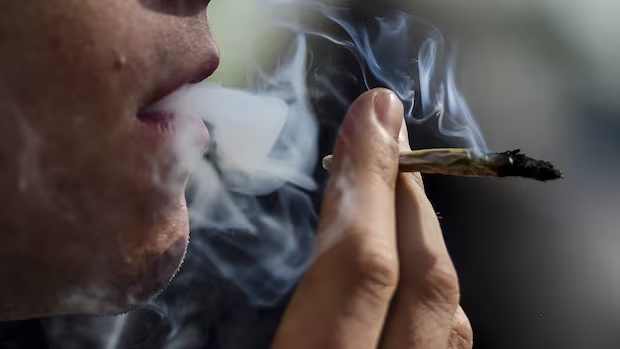

The combination of cannabis use and exercise is a topic of growing interest in both fitness and medical communities. With more people exploring marijuana for recreational or medicinal purposes, understanding its effects on physical activity is crucial. While some individuals claim it enhances their workout experience, medical professionals emphasize that cannabis impacts the body in multiple ways that can influence performance, recovery, and overall health. This article explores the detailed effects of smoking weed while exercising, breaking down how it affects the cardiovascular system, muscle performance, focus, metabolism, and recovery. Below are the first five key insights provided by medical experts.
1. Altered Heart Rate and Cardiovascular Response
When you smoke cannabis, the active compounds, particularly THC (tetrahydrocannabinol), interact with the endocannabinoid system and influence cardiovascular function. One immediate effect is an increased heart rate, which can occur within minutes of consumption. For individuals who are exercising, this elevated heart rate means that your cardiovascular system is working harder than usual. During moderate to intense workouts, this effect can place additional stress on the heart, especially for those with underlying cardiovascular conditions.
While some may experience a temporary boost in energy due to increased circulation, doctors caution that the combination of exercise and THC-induced tachycardia can lead to feelings of dizziness, lightheadedness, or shortness of breath. Blood pressure may also fluctuate, initially rising and then dropping in some cases, which can influence endurance and performance. Athletes or recreational exercisers need to be aware that their perceived effort may not match their actual cardiovascular output, making it important to monitor heart rate and intensity closely.
Additionally, THC may affect oxygen delivery to muscles. The combination of an increased heart rate and potential changes in blood flow can alter how efficiently oxygen is transported, which can impact stamina and the ability to sustain prolonged or high-intensity exercise. Doctors recommend that those considering exercising after consuming cannabis do so cautiously, starting with light activities such as walking, stretching, or low-intensity yoga to observe how their body responds.
2. Impact on Lung Function
Smoking cannabis introduces compounds into the respiratory system that can affect lung function. Inhalation of any smoke, including marijuana, can irritate the airways, causing coughing, throat dryness, or short-term inflammation. During workouts, especially cardio-intensive activities such as running or cycling, lung capacity and efficiency are critical for maintaining oxygen delivery to working muscles.
Medical experts note that while occasional cannabis use may not cause permanent damage for healthy individuals, combining it with high-intensity workouts can temporarily reduce lung performance. Individuals may notice increased breathlessness, a higher perceived exertion, and fatigue occurring earlier than expected. Moreover, smoke inhalation can cause slight reductions in oxygen exchange at the alveolar level, potentially impacting endurance and the ability to sustain prolonged exercise sessions.
For those who prefer cannabis, alternative consumption methods, such as edibles or vaporizers, may reduce irritation to the lungs. However, even non-smoking methods can affect heart rate and neurological function, so the effects on exercise are still relevant. Maintaining proper hydration, warming up adequately, and monitoring breathing patterns are recommended strategies to minimize respiratory strain during workouts.
3. Effects on Coordination and Motor Skills
THC impacts the central nervous system and can temporarily alter coordination, reaction time, and motor control. When combined with exercise, especially activities that require balance, agility, or precise movements, this effect becomes significant. Doctors warn that impaired coordination can increase the risk of falls, strains, or injuries during physical activity.
Even routine exercises, such as weightlifting, yoga, or stretching, require a certain level of proprioception—your body’s ability to sense movement and position in space. Cannabis can slightly impair these sensory inputs, leading to less efficient movement patterns and a higher likelihood of overcompensation or misalignment. Sports that involve quick reactions or complex motor skills, such as tennis, basketball, or martial arts, may be particularly affected.
Some users report a heightened sense of body awareness or altered perception that they find enjoyable during low-intensity exercise, but medical professionals emphasize that the benefits do not outweigh the potential risk of injury. If individuals choose to combine cannabis use with exercise, doctors recommend avoiding high-risk or heavy-lifting activities until they fully understand how their body reacts to the combination. Additionally, incorporating slow, controlled exercises and focusing on form can help minimize risk while allowing some users to enjoy mild effects safely.
4. Changes in Perceived Effort and Motivation
Cannabis can influence the brain’s perception of effort, fatigue, and reward. Many individuals report that after consuming THC, they feel less physically exerted or more relaxed during workouts. This altered perception can sometimes lead to longer or more enjoyable exercise sessions, as the subjective difficulty is reduced.
However, doctors caution that this perception shift is not without potential drawbacks. While it may feel easier to push through a workout, the body may still be under stress, and overexertion can occur without the usual signals of fatigue. This is especially relevant in cardio or endurance training, where heart rate, muscle fatigue, and hydration levels may not align with perceived effort. Users might unintentionally extend workouts beyond safe limits, leading to strain, dehydration, or delayed recovery.
On the flip side, cannabis’s effect on motivation can vary. Some individuals experience increased focus or enjoyment during light exercise, while others may feel lethargic or disinterested in physical activity. Doctors note that these effects are highly individualized and depend on the strain, dosage, and timing of consumption. Careful experimentation with low doses and low-intensity workouts is recommended for those exploring the effects on motivation and perceived effort.
5. Influence on Pain Perception and Muscle Sensation
One of the most discussed effects of cannabis during exercise is its ability to modulate pain perception. THC interacts with receptors in the nervous system that can reduce the sensation of discomfort, soreness, or muscle tension. Many users report feeling less post-exercise pain, which may make stretching or recovery exercises more manageable.
While this can seem beneficial, doctors highlight that reduced pain perception carries potential risks. Pain serves as a natural protective mechanism, signaling when muscles, joints, or tissues are overstressed. By dulling these signals, cannabis may lead individuals to overtrain or perform movements with improper form, potentially increasing the risk of injury. For example, weightlifters might lift heavier than safe or runners might push through joint discomfort, exacerbating minor injuries.
In addition to pain modulation, cannabis can influence proprioception and body awareness, altering how muscles feel during exertion. Some users describe heightened sensations of muscle engagement, which can feel motivating or enjoyable. Medical professionals recommend combining cannabis with low-impact activities or recovery-focused workouts, such as yoga, Pilates, or gentle stretching, rather than intense or high-risk training. This approach maximizes potential benefits while minimizing injury risk.
6. Effects on Endurance and Stamina
Cannabis can influence how your body tolerates prolonged physical activity. THC and other cannabinoids interact with the central nervous system, sometimes creating a sense of relaxation or reduced perception of effort. While this might initially make a workout feel easier, medical experts warn that endurance and stamina may actually be impaired. The body’s cardiovascular and respiratory systems are working harder than perceived, which can lead to quicker depletion of energy stores or early fatigue during high-intensity exercises.
For instance, runners or cyclists might notice a slower pace or increased breathlessness despite feeling that they are exerting themselves at a manageable level. The altered perception of effort can mask early signs of exhaustion, dehydration, or overheating. Additionally, THC can influence the body’s thermoregulation, which may make it more challenging to maintain an optimal core temperature during long sessions. Doctors advise monitoring heart rate and perceived exertion carefully and limiting the intensity of workouts until you fully understand how cannabis affects your endurance.
While some users report that low-dose cannabis enhances focus during steady-state, low-impact exercises, it is important to differentiate between subjective experience and actual physiological capacity. For safe and effective endurance training, it is recommended to prioritize hydration, pacing, and recovery, using cannabis only in moderation and under controlled circumstances. Understanding these effects ensures that your workout remains productive without unintentionally pushing the body beyond safe limits.
7. Impact on Muscle Recovery
Cannabis is often discussed for its potential role in recovery after exercise. THC and cannabidiol (CBD) have mild anti-inflammatory properties that can help reduce post-workout soreness and muscle discomfort. By modulating inflammatory responses, cannabis may make stretching, mobility exercises, and daily movement more comfortable, particularly for individuals experiencing delayed onset muscle soreness (DOMS).
However, doctors emphasize that while cannabis may reduce the perception of soreness, it does not accelerate the underlying tissue repair process. Recovery still relies on proper nutrition, rest, and hydration. Overreliance on cannabis to mask post-workout pain could lead to overtraining or inadequate rest periods, which may compromise long-term progress and muscle adaptation. Additionally, cannabis can influence sleep patterns, which play a critical role in muscle repair and hormone regulation. Strains high in THC may disrupt deep sleep if consumed too close to bedtime, while CBD may promote relaxation and improve sleep quality.
For optimal results, medical professionals recommend combining light doses of cannabis with proven recovery strategies, such as foam rolling, stretching, proper protein intake, and adequate sleep. By integrating these approaches, you can take advantage of cannabis’s pain-relief benefits without negatively impacting the body’s natural recovery mechanisms. This ensures both comfort and effectiveness in achieving fitness goals over the long term.
8. Effects on Appetite and Nutrition
Cannabis is widely known for stimulating appetite, a phenomenon commonly referred to as “the munchies.” While this effect can be beneficial for individuals looking to increase caloric intake, during exercise, it may influence dietary choices in ways that are not always optimal for performance or recovery. THC interacts with brain regions that regulate hunger, sometimes increasing cravings for high-calorie, processed foods.
Doctors caution that consuming excessive refined sugars or unhealthy snacks after workouts can counteract the benefits of exercise, affecting weight management, insulin sensitivity, and overall health. On the other hand, some users can leverage this effect to support proper nutrition, especially if they struggle with consuming enough calories or protein to maintain muscle mass. By planning meals and snacks in advance, individuals can use cannabis’s appetite-stimulating properties strategically, choosing nutrient-dense options such as lean proteins, fruits, vegetables, and whole grains.
Furthermore, cannabis can influence taste perception, making food seem more flavorful and enjoyable. While this may enhance the experience of eating healthy meals, moderation remains key. Balancing the effects on appetite with disciplined nutritional choices ensures that cannabis does not undermine the fitness goals you are working toward. Proper meal planning, hydration, and mindful eating are essential components of combining cannabis use with an active lifestyle.
9. Altered Focus and Mind-Muscle Connection
One of the more nuanced effects of cannabis during exercise involves focus and mental awareness. THC can influence cognitive function, altering attention, sensory perception, and the ability to concentrate. For some users, this results in an enhanced “mind-muscle connection,” where they feel more attuned to muscle engagement and body movements during low-intensity exercises like yoga, Pilates, or resistance band workouts.
However, medical experts highlight that this effect is highly dose-dependent and individual-specific. High doses of THC may impair concentration, reaction time, and the ability to follow complex movement patterns. This can lead to inefficient training, loss of proper form, or even injury during activities requiring coordination and precision. Maintaining moderate doses and low-intensity exercises can allow individuals to benefit from increased awareness without compromising safety or performance.
Additionally, cannabis can influence motivation and mental energy. Some users report heightened focus, creativity, and enjoyment during exercise, which can encourage consistency and adherence to fitness routines. Others may feel lethargic or distracted, particularly if the strain or dosage is not aligned with personal tolerance. Awareness of how your body responds and tailoring the type and amount of cannabis to your workout is essential for safe and productive exercise sessions.
10. Interaction with Hydration and Electrolyte Balance
Cannabis use can affect hydration levels and electrolyte balance, which are critical for safe exercise performance. THC may lead to dry mouth or mild dehydration, prompting increased fluid intake to maintain hydration. During workouts, especially in hot or humid environments, inadequate hydration combined with cannabis consumption can elevate the risk of cramps, dizziness, and fatigue.
Moreover, electrolytes such as sodium, potassium, and magnesium are essential for muscle contraction, nerve signaling, and fluid regulation. If cannabis use increases urination or alters fluid perception, electrolyte levels may be disrupted, impacting strength, endurance, and recovery. Doctors advise that individuals consuming cannabis prior to or during exercise should prioritize drinking water and incorporating electrolyte-rich foods or beverages, such as bananas, leafy greens, coconut water, or sports drinks when appropriate.
Monitoring fluid intake, maintaining balanced electrolytes, and avoiding excessive cannabis use during long or intense workouts are key strategies to prevent negative effects on performance. By understanding the interplay between cannabis, hydration, and electrolyte balance, users can exercise safely while mitigating potential risks associated with dehydration or fluid imbalance.
11. Influence on Blood Sugar and Metabolism
Cannabis can affect how your body regulates blood sugar, which is especially relevant during exercise. THC interacts with the endocannabinoid system and can alter insulin sensitivity temporarily, leading to fluctuations in glucose levels. During a workout, these fluctuations can influence energy availability, stamina, and the rate at which your body burns fuel. For example, some users may feel a sudden surge of energy followed by an unexpected dip, which can affect endurance or the ability to maintain consistent intensity.
Medical experts emphasize that this effect is highly individualized. Factors such as dosage, strain, timing of consumption, and your baseline metabolic health all play a role in how blood sugar responds. For individuals with diabetes, prediabetes, or metabolic conditions, this is particularly important because fluctuations in glucose can have more pronounced effects on exercise performance and overall health. Combining cannabis use with meals rich in complex carbohydrates, proteins, and healthy fats can help stabilize blood sugar and mitigate sudden energy crashes.
Understanding the interaction between cannabis, metabolism, and exercise helps individuals plan workouts and nutritional intake more effectively. This allows them to maintain consistent energy, optimize fat and carbohydrate utilization during physical activity, and prevent fatigue that could otherwise limit workout effectiveness.
12. Impact on Hydration and Sweat Response
Beyond general hydration, cannabis can influence the body’s natural sweating mechanism, which is a critical part of thermoregulation during exercise. THC and other cannabinoids interact with the hypothalamus, which plays a key role in maintaining body temperature. Some users may notice altered sweating patterns, either sweating less than usual or experiencing delayed sweat onset.
Reduced or irregular sweating can affect the body’s ability to cool itself efficiently, particularly during high-intensity cardio or resistance training in warm environments. This can increase the risk of overheating, dehydration, and electrolyte imbalance. Proper hydration before, during, and after workouts becomes even more essential when cannabis is involved. Doctors recommend monitoring fluid intake closely, using electrolyte-replenishing beverages when necessary, and avoiding extreme heat or prolonged exercise immediately after cannabis consumption.
Additionally, cannabis can affect the perception of thirst, causing some individuals to underestimate their fluid needs. Ensuring consistent water intake and paying attention to bodily signals is critical for safety and performance. By managing hydration and recognizing these physiological changes, individuals can continue exercising safely without compromising endurance or recovery.
13. Influence on Breathing Patterns
Cannabis can alter breathing rate and depth, which has direct implications for aerobic exercise. THC interacts with the central nervous system and can either slow down or irregularly modulate respiratory rhythm. During low-intensity exercises like yoga or stretching, this may feel calming and even enhance mind-body awareness. However, during high-intensity cardio or endurance workouts, altered breathing can reduce oxygen intake efficiency and impair performance.
Medical experts caution that those with respiratory conditions, asthma, or limited lung capacity should be particularly careful, as cannabis-induced changes in breathing can exacerbate breathlessness or lead to early fatigue. Techniques such as controlled breathing, paced inhalation and exhalation, and monitoring oxygen intake during workouts are essential.
For individuals looking to combine cannabis with exercise, low-intensity routines that focus on controlled movements, stretching, or moderate resistance training may be safer options. These activities allow for mental and physical benefits without placing excessive demands on oxygen delivery systems. Understanding the subtle impacts on breathing ensures that exercise remains productive, safe, and aligned with personal fitness goals.
14. Effects on Mental Focus and Motivation
Cannabis can significantly impact mental focus, motivation, and the ability to maintain consistency in a workout routine. THC and other cannabinoids alter brain chemistry, sometimes enhancing creativity, relaxation, or a sense of enjoyment during physical activity. For some users, this results in a heightened sense of “flow,” where repetitive exercises feel more engaging or enjoyable.
However, medical professionals note that cannabis can also cause temporary distraction, decreased attention, or reduced motivation for structured or goal-oriented training. High-intensity workouts that require precise form, timing, or coordination can be negatively affected. Users may feel mentally relaxed but physically less disciplined, leading to shorter workouts, skipped sets, or improper technique.
To maintain mental clarity and focus, it is often recommended to consume cannabis in low doses and reserve its use for activities that are low-risk, repetitive, or require mind-body connection, such as yoga, light cardio, or mobility training. Understanding your personal response allows you to leverage the positive effects on motivation and engagement while minimizing potential disruptions to workout structure and progress.
15. Interaction with Sleep and Recovery Hormones
Cannabis has a well-documented influence on sleep patterns, which is a critical factor for recovery after exercise. THC can promote relaxation and help some individuals fall asleep faster, while CBD may enhance deep sleep stages. Quality sleep is essential for hormone regulation, including growth hormone and cortisol, both of which play crucial roles in muscle recovery, fat metabolism, and stress management.
Doctors highlight that consuming cannabis too close to bedtime, particularly strains high in THC, may disrupt REM sleep, potentially impacting memory consolidation and overall sleep quality. Conversely, moderate use earlier in the day or with strains rich in CBD may improve sleep quality, reduce anxiety, and enhance post-workout recovery. Optimizing timing, strain selection, and dosage is key for balancing the benefits of cannabis with restorative sleep.
Integrating cannabis with a structured sleep schedule and proper recovery routines ensures that the body can repair tissue, regulate hormones, and replenish energy stores efficiently, maximizing the benefits of both exercise and natural recovery mechanisms.
16. Effect on Pain Threshold During Workouts
One of cannabis’s most recognized effects is its ability to modify the perception of pain. THC interacts with the nervous system to reduce the sensation of discomfort, which can be helpful for individuals with mild aches, joint stiffness, or post-exercise soreness. Many users find that this allows them to complete stretching routines, mobility exercises, or low-impact workouts with less discomfort.
However, doctors emphasize the importance of caution. Diminished pain perception can mask warning signals that indicate overuse, strain, or improper form. While it may allow longer sessions, it can also increase the risk of injury if users push beyond safe limits. Controlled, low-intensity exercises combined with mindful observation of bodily cues are recommended for those using cannabis to manage workout discomfort. This ensures safety while still benefiting from the pain-modulating properties of THC or CBD.
17. Interaction with Muscle Strength and Power Output
Cannabis’s effect on muscle strength and power is complex and dose-dependent. THC may influence neurotransmitter activity, potentially impacting neuromuscular coordination, reaction time, and the ability to generate maximal force. For activities that require explosive power, such as sprinting, weightlifting, or plyometric exercises, high doses of cannabis may impair performance.
Medical studies indicate that low doses may have minimal impact on strength output for moderate-intensity workouts, but caution is warranted when performing high-intensity or heavy-load exercises. Users may feel a heightened sense of effort, altered body awareness, or delayed fatigue, which can create the illusion of strength while actual muscle performance is subtly diminished.
Balancing dosage, workout type, and timing is critical for those combining cannabis with strength or power-based training. Using low doses for moderate sessions and avoiding high-intensity lifting immediately after consumption can preserve performance while allowing mild cognitive or sensory effects that some users find enjoyable.
18. Effect on Mood and Stress Response
Cannabis is known to influence mood and stress levels, which can impact how individuals experience workouts. THC interacts with brain receptors that regulate dopamine and serotonin, often producing relaxation, euphoria, or reduced anxiety. For some users, this can create a more enjoyable workout experience and reduce perceived exertion.
However, medical experts note that mood alterations are highly individualized. While some feel motivated and relaxed, others may experience lethargy, distraction, or overconfidence, which can reduce the effectiveness or safety of their exercise routine. Understanding your own response, strain choice, and dosage allows for a safer and more productive exercise experience.
Moderate cannabis use combined with structured routines, mindful breathing, and controlled exercises can enhance enjoyment while minimizing negative effects on mental focus or motivation. The key is awareness of personal responses and ensuring that mental state supports, rather than hinders, physical performance.
19. Potential Effects on Immune Function
Cannabis can modulate immune system activity, which may have implications for post-exercise recovery. THC and other cannabinoids interact with immune cells, influencing inflammation and immune signaling. While mild anti-inflammatory effects may reduce post-workout soreness, chronic or heavy use could theoretically alter immune function and inflammatory responses over time.
For active individuals, maintaining balanced cannabis use is essential. Combining cannabis with proper nutrition, hydration, and rest ensures that immune function is supported rather than compromised. Regular monitoring of recovery, inflammation, and overall health is recommended, particularly for individuals engaging in high-intensity or frequent training regimens.
20. Long-Term Considerations for Fitness and Health
While occasional cannabis use may be integrated safely with exercise, doctors emphasize considering long-term effects on cardiovascular health, lung function, motivation, and recovery patterns. Consistent use, particularly at high doses, may subtly affect endurance, strength, coordination, and hormone regulation over months or years.
The key to combining cannabis and workouts safely lies in moderation, careful strain and dosage selection, timing relative to exercise, and mindful observation of your body’s responses. Low-impact, low-intensity routines may benefit from mild cannabis effects, while high-intensity, complex, or competitive activities are best performed without significant THC influence. Balancing cannabis use with proper nutrition, hydration, sleep, and recovery ensures long-term fitness goals remain achievable and sustainable.
Strong Conclusion
In summary, combining cannabis and exercise has both potential benefits and risks. Medical research indicates that cannabis can alter heart rate, lung function, coordination, pain perception, motivation, metabolism, and recovery. These effects are highly individualized and depend on strain, dosage, timing, and fitness level. While some users may experience enhanced enjoyment, relaxation, or mild pain relief during workouts, others may face reduced endurance, impaired coordination, altered breathing, or increased risk of injury.
Doctors recommend that individuals interested in integrating cannabis with exercise do so with caution. Low doses, low-impact activities, proper hydration, balanced nutrition, adequate sleep, and mindfulness of the body’s signals are essential to ensure safety and effectiveness. By understanding the physiological and psychological effects of cannabis, individuals can make informed decisions that align with their fitness goals, enhance recovery, and maintain overall health.
Ultimately, responsible use, attention to personal response, and integration with proven fitness strategies allow cannabis and exercise to coexist safely, creating a balanced approach that supports both physical performance and overall well-being.