



Pain on the Left Side of the Body: What It Could Mean
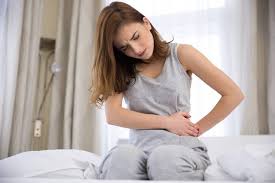
Pain on the left side of the body is something many people experience at some point in their lives. It can range from mild discomfort to sharp or intense pain, and it may appear in different areas such as the chest, upper abdomen, back, or lower body. Because the left side of the body contains several important organs and muscles, the cause of pain can vary widely.
Some reasons are harmless and temporary, while others may require medical attention. Understanding the possible causes can help you decide when to relax and when to seek help.
1. Muscle Strain or Injury
One of the most common causes of left-side pain is muscle strain. This happens when muscles are overworked, stretched, or injured.
Common triggers include:
- Heavy lifting
- Sudden movements
- Exercise or gym workouts
- Poor posture
- Sleeping in an awkward position
Symptoms:
- Sharp or aching pain
- Pain that worsens with movement
- Tenderness when pressing the area
- Improvement with rest
Muscle-related pain is usually harmless and improves within a few days.
2. Gas and Digestive Problems
Digestive issues can also cause pain on the left side of the abdomen or chest area. Gas trapped in the intestines is a very common reason.
Possible causes:
- Bloating
- Constipation
- Acid reflux
- Overeating
Symptoms:
- Cramping or pressure-like pain
- Stomach bloating
- Relief after passing gas or bowel movement
This type of pain is usually not serious and is linked to diet and digestion.
3. Heart-Related Issues (Important Warning)
Pain on the left side of the chest can sometimes be related to the heart. This is the most serious possibility and should never be ignored.
Possible conditions:
- Angina (reduced blood flow to the heart)
- Heart attack
Warning signs:
- Chest pressure or tightness
- Pain spreading to left arm, jaw, or shoulder
- Shortness of breath
- Sweating or dizziness
- Nausea
If these symptoms appear, immediate medical help is necessary.
4. Kidney Problems
The left kidney is located in the back side of the body, and issues here can cause side or back pain.
Possible causes:
- Kidney stones
- Kidney infection
Symptoms:
- Sharp pain in the back or side
- Pain during urination
- Fever or chills
- Blood in urine
Kidney-related pain can become serious if untreated.
5. Lung Conditions
Pain in the left chest area may sometimes be linked to the lungs.
Possible causes:
- Pneumonia
- Pleurisy (inflammation of lung lining)
- Lung infections
Symptoms:
- Pain while breathing deeply
- Coughing
- Fever
- Shortness of breath
Lung-related pain usually worsens with breathing or coughing.
6. Nerve Pain
Nerve-related pain can appear as sharp, burning, or stabbing sensations on the left side.
Possible causes:
- Pinched nerve
- Shingles (before rash appears)
- Spinal issues
Symptoms:
- Tingling or numbness
- Burning sensation
- Pain following a line or path on the body
7. Spleen Problems (Less Common)
The spleen is located under the left ribs. Although issues here are less common, they can cause discomfort.
Possible causes:
- Enlarged spleen
- Injury or infection
Symptoms:
- Pain under left ribs
- Fatigue
- Pain spreading to left shoulder
8. Anxiety and Stress
Stress and anxiety can also cause physical symptoms, including left-side chest pain.
Symptoms:
- Tight chest
- Rapid heartbeat
- Shortness of breath
- Feeling of pressure or discomfort
This type of pain is not caused by physical damage but by stress responses in the body.
When to Be Concerned
You should seek medical attention if:
- Pain is severe or sudden
- It lasts for several days
- You have chest pain with arm or jaw pain
- You feel dizzy or short of breath
- Pain worsens over time
Final Thoughts
Left-side body pain can have many causes, from simple muscle strain to serious heart or organ-related conditions. Most cases are not dangerous and improve on their own, but it is important to pay attention to warning signs.
The key is to observe:
- Location of pain
- Type of pain
- Duration
- Other symptoms
If anything feels unusual or severe, it is always safer to consult a healthcare professional.
Related Posts: