





The Real Reason Why a Man Turns His Back on You When Sleeping
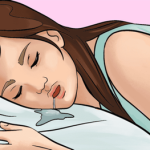
Many people notice something small but emotionally confusing in relationships: a partner turning their back while sleeping. For some, it can feel distant or even hurtful at first glance. But in reality, sleep positions are often misunderstood and don’t always reflect emotional distance or relationship problems.
Sleep behavior is influenced by comfort, temperature, stress levels, sleep quality, and even subconscious body mechanics. So before jumping to conclusions, it helps to understand what this habit can actually mean.
Here’s a clear, realistic breakdown of the most common reasons.
1. It’s Often Just a Comfortable Sleeping Position
One of the simplest explanations is comfort.
Most people naturally choose a sleep position that helps them relax and stay asleep longer. Turning on one side or facing away can:
- Reduce pressure on the body
- Help with breathing
- Prevent overheating
- Support spinal alignment
Many adults are side-sleepers, and facing away is simply part of that natural position.
2. Temperature Regulation
Body heat plays a big role in sleep positioning.
If someone feels warm at night, turning their back or moving away slightly can help regulate temperature.
This happens because:
- Bodies release heat during sleep
- Close contact increases warmth
- People unconsciously adjust positions to stay cool
So it may have nothing to do with emotions — just physical comfort.
3. Better Sleep Quality and Less Disturbance
Some people are light sleepers. Even small movements, sounds, or touch can disturb them.
Turning away may help:
- Reduce sensory stimulation
- Minimize waking up during the night
- Improve deep sleep cycles
In this case, the position is about better rest, not emotional distance.
4. Stress or Mental Fatigue
Stress can affect sleep behavior in subtle ways.
When someone is mentally tired or overwhelmed, they may:
- Seek less stimulation during sleep
- Become more withdrawn physically at night
- Sleep in a more self-focused position
This doesn’t necessarily reflect feelings toward a partner — it may reflect general life stress.
5. Habit and Natural Sleep Pattern
Many people simply have long-standing sleep habits formed over years.
If someone has always slept on one side or facing a certain direction, they will likely continue doing so regardless of relationship status.
Sleep habits are often:
- Automatic
- Unconscious
- Resistant to change
6. Physical Discomfort or Pain
Sometimes turning away is related to physical comfort rather than emotion.
It may be due to:
- Shoulder or back pain
- Acid reflux
- Breathing comfort
- Pregnancy (for partners)
- Old injuries
The body naturally chooses positions that reduce discomfort.
7. Emotional Independence During Sleep
Sleep is one of the few times when the brain fully disconnects from social interaction.
Even in loving relationships:
- People become self-focused during rest
- Emotional expression reduces during sleep
- Physical needs take priority over closeness
So turning away doesn’t automatically mean emotional distance while awake.
8. Need for Personal Space
Even in close relationships, personal space matters — including during sleep.
Some people feel more relaxed when they have:
- A bit of space
- Freedom to move
- Less physical contact
This is especially common in adults who value independent sleep comfort.
What It Usually Does NOT Mean
It’s important not to overinterpret sleep positions. Turning away usually does NOT mean:
- Loss of love
- Cheating or emotional detachment
- Relationship problems
- Lack of attraction
Sleep behavior is far less emotionally expressive than awake behavior.
When It Might Be Worth Paying Attention
While sleep position alone is not meaningful, combined signs might suggest emotional distance, such as:
- Reduced communication during the day
- Lack of affection while awake
- Avoidance of closeness in general
- Ongoing relationship tension
In that case, the issue is not the sleeping position itself — but the overall relationship dynamic.
Final Thoughts
A man turning his back while sleeping is usually about comfort, temperature, sleep quality, or habit — not hidden emotional meaning. Sleep is a physical, unconscious state where the body prioritizes rest over interaction.
The key is not to focus on a single behavior in isolation. Instead, look at the overall relationship — how someone treats you when they are awake, engaged, and aware.
Most of the time, what happens during sleep is simply the body doing what it needs to rest properly.
Related Posts: