




1. Your Cat Chooses to Spend Time Near You Without Being Forced
One of the clearest indicators that your cat genuinely likes you—rather than simply tolerating your presence—is voluntary proximity. Cats are highly independent animals by nature, and unlike dogs, they do not feel the need to remain close to humans out of obligation. When a cat chooses to sit near you, lie beside you on the couch, or occupy the same room even when there is no food involved, it reflects a level of comfort and trust.
A cat that merely tolerates you will often maintain distance unless interaction is necessary. They may stay in another room, perch high on furniture, or only approach when they anticipate feeding time. In contrast, a cat that likes you sees your presence as safe and emotionally reassuring. This behavior stems from the cat’s instinctual understanding that being near you provides security rather than stress.
Importantly, proximity does not always mean physical contact. Some cats express affection by simply being close—lying at your feet, sitting a short distance away, or resting nearby while keeping an eye on you. This subtle companionship is deeply meaningful in feline communication. It signals that your cat feels relaxed and does not perceive you as a threat or inconvenience.
Over time, cats form social bonds based on consistent positive experiences. If your cat repeatedly chooses your company without being prompted, it strongly suggests emotional attachment rather than mere tolerance.
2. Slow Blinking Is a Sign of Emotional Trust
Slow blinking is one of the most powerful yet misunderstood signals of feline affection. When a cat looks at you and slowly closes and opens its eyes, it is communicating trust and emotional safety. In the wild, maintaining prolonged eye contact can signal threat or dominance. By slowly blinking, your cat is essentially showing vulnerability, which is only offered to those they feel comfortable around.
A cat that tolerates you may avoid eye contact entirely or maintain alert, wide-open eyes when you are nearby. These behaviors indicate vigilance rather than relaxation. On the other hand, slow blinking reflects a calm nervous system and a sense of ease in your presence. Many animal behaviorists refer to slow blinking as the feline equivalent of a smile.
You can strengthen this bond by returning the slow blink. When done gently and naturally, this exchange reinforces mutual trust. Cats often respond positively to humans who understand and respect their communication style, which further deepens the emotional connection.
Repeated slow blinking over time is a strong sign that your cat does not simply accept you as a household fixture but views you as a trusted companion. This behavior often develops gradually and reflects a relationship built on consistency and respect.
3. Your Cat Seeks You Out for Comfort During Rest
Cats are most vulnerable when they sleep. Choosing where and near whom to rest is a significant decision rooted in instinct. If your cat regularly sleeps near you, on your bed, or even on your lap, it is a strong sign of genuine affection and trust. This behavior indicates that your cat associates you with safety and calm.
A cat that only tolerates you will usually choose isolated or elevated sleeping areas, especially when given the option. They may prefer hidden corners, enclosed beds, or locations far from human activity. While independence is normal for cats, consistently choosing to rest near you suggests emotional attachment rather than indifference.
Comfort-seeking behavior can also appear during stressful situations, such as loud noises or unfamiliar visitors. A cat that likes you may retreat closer to you rather than away. This reflects a bond where your presence provides reassurance and stability.
Sleep-related trust is one of the strongest markers of feline affection. When a cat allows itself to be relaxed and unguarded near you, it demonstrates a deep level of emotional security that goes beyond simple tolerance.
4. Gentle Physical Contact Initiated by the Cat
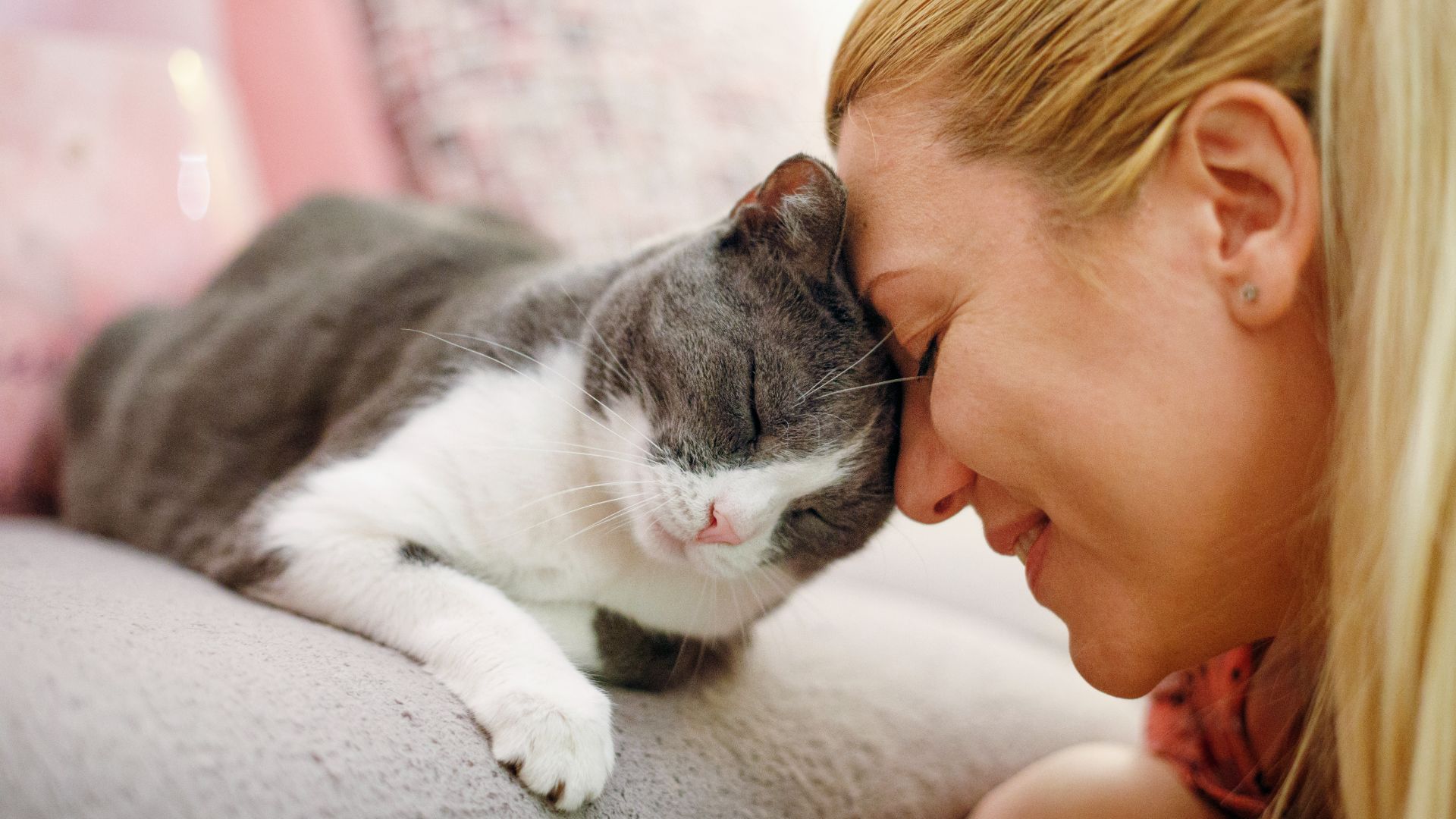
Cats that genuinely like their humans often initiate physical contact in subtle but meaningful ways. This may include rubbing against your legs, brushing their head against your hand, or lightly leaning into you while sitting nearby. These actions are not random; they serve both social and emotional purposes.
When a cat rubs against you, it is engaging in scent marking. This behavior signifies inclusion—you are being identified as part of the cat’s social environment. A cat that merely tolerates you is less likely to engage in these affiliative behaviors and may only accept touch briefly or reluctantly.
Initiated contact is especially important. While some cats may allow petting without enjoying it, a cat that approaches you first is expressing genuine interest and affection. These interactions often happen during calm moments, such as when you are seated or relaxed, reinforcing the emotional nature of the bond.
Over time, this type of contact builds mutual familiarity and trust. Cats that repeatedly seek gentle physical interaction are communicating that they feel comfortable, safe, and emotionally connected to you.
5. Your Cat Shows Relaxed Body Language Around You
Body language reveals far more about a cat’s emotional state than vocalization alone. A cat that likes you will display relaxed posture when you are nearby. This may include a loose tail position, softly held ears, relaxed whiskers, and an overall calm demeanor. These signals indicate that your presence does not trigger stress or defensiveness.
In contrast, a cat that only tolerates you may appear stiff, keep its tail tightly wrapped or flicking, or maintain a guarded posture. These subtle cues reflect tension rather than comfort. While such a cat may not act aggressively, its body language suggests emotional distance.
Relaxed body language often appears during routine interactions—when you enter a room, sit down, or move around the house. A cat that likes you will remain at ease rather than becoming alert or retreating. This shows that your actions are predictable and non-threatening in the cat’s perception.
Understanding these physical cues helps distinguish between passive acceptance and genuine affection. Consistently relaxed body language around you is a strong indicator that your cat truly enjoys your company.
6. Your Cat Responds Positively to Your Voice
Cats are highly sensitive to sound, tone, and vocal patterns. While they may not understand words in the same way humans do, they are remarkably skilled at recognizing familiar voices and the emotional intent behind them. A cat that genuinely likes you will often respond positively when you speak, whether by turning its head toward you, approaching you, or softening its posture.
When you call your cat’s name and it reacts calmly or with curiosity, it signals recognition and comfort. Some cats may even respond with soft vocalizations, gentle chirps, or subtle body movements. These reactions suggest that your voice is associated with safety and familiarity rather than disruption or stress.
In contrast, a cat that merely tolerates you may ignore your voice entirely or show signs of alertness rather than relaxation. They may freeze briefly, flick their ears backward, or simply leave the area. This response reflects emotional neutrality or mild discomfort rather than affection.
Over time, cats build associations between their human’s voice and past experiences. A positive response indicates that your interactions have consistently been reassuring, reinforcing the idea that your cat does not just accept your presence but values it.
7. Your Cat Follows You from Room to Room
Following behavior is a subtle yet meaningful sign of feline attachment. While cats are independent, a cat that likes you may choose to move alongside you as you go about your daily routine. This does not mean constant attention-seeking, but rather quiet companionship.
A cat that follows you is expressing interest in your presence and activities. It may sit nearby while you work, walk into the kitchen with you, or rest close by as you move from one room to another. This behavior reflects emotional curiosity and social bonding rather than dependency.
Cats that simply tolerate humans tend to remain in preferred locations unless there is a specific incentive, such as food. They may not show interest in where you are going or what you are doing. In contrast, a cat that likes you sees your movements as part of its shared environment.
This following behavior also reinforces trust. Your cat feels secure enough to be near you without feeling threatened or overstimulated. Over time, this quiet companionship becomes one of the most reliable indicators of genuine affection.
8. Your Cat Displays Gentle Vocal Communication
Vocal communication in cats varies widely, but the tone and context of sounds matter more than frequency. A cat that likes you may use soft, gentle sounds such as chirps, trills, or quiet meows when interacting with you. These vocalizations often serve as friendly acknowledgments rather than demands.
These sounds are typically reserved for social bonding. Cats rarely use such vocal cues with other animals, suggesting that this communication style has developed specifically for interacting with humans. When your cat uses these gentle sounds around you, it reflects comfort and emotional engagement.
A cat that tolerates you may vocalize only when it wants something specific, such as food or access to a space. These sounds are often sharper or more insistent and lack the warmth associated with affectionate communication.
Consistent, soft vocal interactions signal that your cat views you as part of its social circle. This form of communication strengthens the emotional bond and reflects a deeper level of connection beyond basic coexistence.
9. Your Cat Allows You to See Its Vulnerable Side
Cats are naturally cautious animals, and vulnerability is not shown lightly. A cat that likes you will allow moments of vulnerability in your presence, such as exposing its belly while resting, stretching openly, or remaining relaxed during moments of quiet observation.
While a belly display is not always an invitation for touch, it is a sign of trust. This posture indicates that your cat does not feel the need to remain guarded around you. It feels secure enough to relax its protective instincts, which is a significant emotional milestone.
A cat that merely tolerates you may remain alert, keep its body tightly curled, or quickly shift position if you come too close. These behaviors suggest that the cat does not fully trust the environment when you are nearby.
Allowing vulnerability is one of the strongest emotional signals a cat can offer. When your cat consistently displays relaxed, open behavior around you, it reflects genuine affection and trust built over time
10. Your Cat Shows Consistent, Predictable Affection
Consistency is key when evaluating feline affection. A cat that likes you will display affectionate behaviors regularly, not just sporadically or in response to specific needs. This may include predictable greetings, routine proximity, or familiar interaction patterns that occur daily.
These behaviors indicate emotional reliability. Your cat has formed a stable bond with you and feels comfortable expressing affection in a steady manner. This predictability is a hallmark of trust and long-term attachment.
Cats that only tolerate humans often display inconsistent behavior. They may alternate between brief engagement and prolonged avoidance, reflecting uncertainty rather than connection. Such inconsistency can indicate that the relationship is based more on coexistence than emotional bonding.
When affection is consistent and calm, it suggests that your cat genuinely values your presence. Over time, this reliability strengthens the bond and confirms that the relationship is built on mutual comfort and trust rather than mere tolerance.
11. Your Cat Greets You When You Return Home
A cat that genuinely likes you often acknowledges your arrival, even if the greeting is subtle. Unlike dogs, cats rarely express excitement in obvious ways, but their version of greeting carries equal emotional weight. This may include approaching the door, sitting nearby as you enter, or quietly observing you with relaxed body language. These behaviors indicate recognition and positive association rather than indifference.
Cats that merely tolerate their owners often remain disengaged during arrivals. They may stay asleep, remain hidden, or show no visible reaction. While this can sometimes be normal feline independence, consistent lack of acknowledgment may signal emotional distance rather than affection.
Greeting behavior demonstrates that your presence matters to your cat. It reflects emotional awareness and a bond formed through familiarity and trust. Over time, this recognition reinforces the relationship and confirms that your cat does not simply coexist with you but values your return.
12. Your Cat Engages in Mutual Grooming Behaviors
Mutual grooming, or behaviors that resemble grooming, are strong indicators of affection. When a cat licks your hand, lightly nibbles your fingers, or rubs its face repeatedly against you, it is expressing social bonding behaviors typically reserved for trusted companions.
In feline social structures, grooming is a cooperative act that strengthens relationships. By engaging in these behaviors with you, your cat is extending its social instincts beyond its species. This indicates emotional closeness rather than passive tolerance.
Cats that only tolerate humans are less likely to engage in grooming behaviors. They may accept petting but rarely initiate contact that resembles mutual care. When grooming behaviors occur naturally and consistently, they signal inclusion within your cat’s emotional circle.
13. Your Cat Adjusts Its Behavior to Match Your Routine
A cat that likes you often adapts its daily habits to align with yours. This might include waking up around the same time, resting during your downtime, or positioning itself near you during predictable moments such as reading or watching television.
This behavioral synchronization reflects emotional attunement. Your cat is not merely responding to environmental cues but is adjusting its rhythm to stay connected with you. This kind of alignment is common in bonded social relationships across species.
Cats that tolerate humans may follow rigid personal routines independent of household activity. While routine is important to cats, adaptation suggests emotional awareness and attachment rather than neutrality.
14. Your Cat Remains Calm During Gentle Handling
Trust is evident in how a cat reacts to handling. A cat that likes you will generally remain calm when lifted briefly, brushed, or examined gently. Even if it does not enjoy prolonged handling, it tolerates it without fear or agitation.
This calmness reflects emotional safety. Your cat trusts that your actions are not threatening and that its boundaries will be respected. Cats that only tolerate humans often become tense, attempt to escape quickly, or display signs of stress during handling.
Calm acceptance does not mean constant physical affection. Rather, it reflects confidence in your intentions and comfort with your presence, which is a powerful indicator of genuine affection.
15. Your Cat Seeks Interaction Beyond Basic Needs
Cats that like their humans often seek interaction without an immediate goal. They may approach you when they are not hungry, bored, or seeking access to something specific. This behavior reflects emotional engagement rather than transactional interaction.
A cat that only tolerates you tends to interact primarily when something is needed, such as food or access to a space. Emotional engagement, however, involves presence without expectation.
When your cat initiates contact purely for companionship, it demonstrates that it enjoys being with you, not just what you provide.
16. Your Cat Shows Curiosity About Your Activities
Genuine affection often manifests as curiosity. A cat that likes you may observe your actions closely, investigate what you are doing, or remain nearby as you work or relax. This interest reflects emotional connection and engagement with your environment.
Cats that tolerate humans often ignore daily activities unless they directly affect them. Curiosity indicates that your cat values your presence and finds comfort in shared space.
This behavior reinforces companionship and strengthens emotional bonds over time.
17. Your Cat Responds Positively to Physical Affection on Its Terms
Cats that like their humans enjoy affection when it is offered respectfully. They may lean into petting, purr softly, or remain close during interaction. Importantly, they communicate boundaries clearly without fear.
A cat that tolerates you may accept affection reluctantly or only for brief moments. Positive engagement reflects trust and emotional security rather than endurance.
Respecting these boundaries further deepens the bond, reinforcing mutual trust and affection.
18. Your Cat Displays Playful Behavior Around You
Playfulness is a sign of emotional comfort. A cat that engages in play near you or invites interaction through gentle movements or toys is expressing relaxation and enjoyment.
Play requires vulnerability and energy, which cats reserve for safe environments. Cats that merely tolerate humans may play only when alone or remain guarded.
Playful behavior around you signals that your cat associates your presence with positive emotional states.
19. Your Cat Chooses You Over Other Comfortable Spaces
When given multiple comfortable options, a cat that likes you may still choose to stay near you. This preference indicates emotional attachment rather than convenience.
Cats that tolerate humans may choose warmth or quiet spaces regardless of proximity. Preference for your presence suggests emotional significance.
This choice reinforces the idea that your cat values companionship over comfort alone.
20. Your Cat Demonstrates Long-Term Emotional Consistency
Perhaps the strongest indicator of affection is long-term consistency. A cat that likes you maintains stable behaviors over months and years, reflecting a secure emotional bond.
Tolerance often fluctuates based on circumstances. Genuine affection remains steady, adapting naturally to changes while maintaining trust and comfort.
This consistency confirms that your relationship is built on emotional connection rather than coexistence.
Strong Conclusion
Understanding whether your cat genuinely likes you or simply tolerates you requires patience, observation, and respect for feline communication. Cats express affection subtly, often through behavior rather than overt displays. By recognizing patterns of trust, comfort, and voluntary engagement, you can better understand the emotional depth of your relationship.
True affection is built over time through consistent, respectful interaction. When a cat chooses your presence, communicates calmly, and displays emotional security, it reflects a meaningful bond rooted in trust rather than necessity. By honoring your cat’s boundaries and responding to its cues, you strengthen this bond and create a relationship based on mutual understanding and companionship.
In the end, a cat that likes you does not simply share your space — it chooses you as part of its emotional world.