



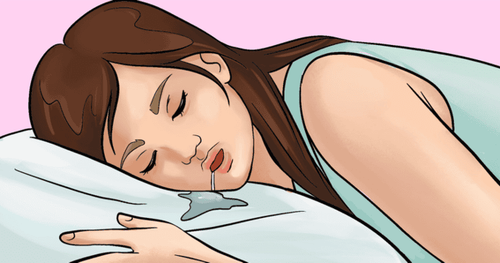

Waking up to a wet pillow every now and then is usually nothing to worry about. Many people drool occasionally during sleep, especially after a long day, sleeping in an unusual position, or dealing with seasonal allergies. However, if excessive drooling becomes frequent, it could be your body’s way of signaling an underlying health issue.
Sleep drooling, medically known as sialorrhea, happens when saliva escapes from the mouth during sleep. While saliva production is normal and essential for digestion and oral health, too much drooling can sometimes point to problems involving the nervous system, breathing, digestion, or muscle control.
In the United States, millions of adults experience nighttime drooling without realizing it may be connected to a medical condition. Identifying the root cause early can help prevent complications and improve sleep quality, overall health, and daily comfort.
Here are six diseases and medical conditions commonly linked to excessive drooling during sleep.
1. Sleep Apnea
One of the most common conditions associated with nighttime drooling is obstructive sleep apnea (OSA). This sleep disorder causes repeated interruptions in breathing during sleep because the airway becomes partially or fully blocked.
People with sleep apnea often breathe through their mouths at night due to restricted airflow through the nose. Mouth breathing significantly increases the likelihood of drooling.
Common Symptoms of Sleep Apnea
- Loud snoring
- Gasping for air during sleep
- Dry mouth upon waking
- Morning headaches
- Daytime fatigue
- Difficulty concentrating
- Irritability
Sleep apnea is especially common among overweight adults, smokers, and people over 40. According to sleep experts, untreated sleep apnea can increase the risk of serious health problems such as high blood pressure, heart disease, stroke, and diabetes.
Why It Causes Drooling
When the mouth remains open during sleep, saliva naturally escapes because swallowing reflexes slow down. The deeper the sleep interruption, the more likely drooling becomes.
When to See a Doctor
If excessive drooling is accompanied by loud snoring or daytime exhaustion, a sleep study may be necessary to rule out sleep apnea.
2. Gastroesophageal Reflux Disease (GERD)
GERD, commonly known as acid reflux, can also lead to excessive nighttime drooling. This digestive disorder occurs when stomach acid flows back into the esophagus, causing irritation and discomfort.
Many Americans experience acid reflux occasionally, but chronic GERD may trigger increased saliva production, especially during sleep.
Signs of GERD
- Heartburn
- Sour taste in the mouth
- Chest discomfort
- Chronic cough
- Hoarseness
- Difficulty swallowing
- Feeling of a lump in the throat
Why GERD Causes Drooling
The body sometimes produces extra saliva as a protective mechanism against stomach acid. This reaction is known as water brash. When lying down at night, saliva can accumulate and leak from the mouth.
GERD-related drooling may worsen after eating spicy foods, fatty meals, chocolate, caffeine, or alcohol before bedtime.
Potential Risks
Untreated GERD can damage the esophagus and may increase the risk of esophageal cancer over time. Lifestyle changes and medical treatment can usually manage symptoms effectively.
3. Parkinson’s Disease
Frequent drooling during sleep can sometimes be an early sign of Parkinson’s disease, a progressive neurological disorder that affects movement and muscle control.
Although many people assume Parkinson’s causes excess saliva production, the real issue is often reduced swallowing frequency. Patients may have difficulty automatically clearing saliva from the mouth.
Symptoms of Parkinson’s Disease
- Tremors
- Muscle stiffness
- Slowed movement
- Balance problems
- Soft speech
- Facial stiffness
- Sleep disturbances
Why Drooling Happens
Parkinson’s disease affects the muscles and nerves responsible for swallowing. During sleep, weakened muscle coordination allows saliva to pool and escape from the mouth.
Nighttime drooling is particularly common in moderate to advanced stages of the disease, but some people notice it earlier.
Importance of Early Diagnosis
Early treatment can improve quality of life and slow symptom progression. Neurologists may recommend medication, speech therapy, and swallowing exercises.
4. Sinus Infections and Chronic Allergies
Not all causes of drooling are neurological or digestive. Chronic sinus congestion and allergies are major contributors to mouth breathing during sleep.
When nasal passages become blocked, breathing through the nose becomes difficult. As a result, many people unconsciously sleep with their mouths open, leading to drooling.
Symptoms of Chronic Sinus Problems
- Stuffy nose
- Facial pressure
- Postnasal drip
- Sneezing
- Headaches
- Snoring
- Reduced sense of smell
Why It Leads to Drooling
Sleeping with an open mouth weakens saliva control. In addition, postnasal drip may stimulate extra saliva production, increasing the chances of drooling.
Common Triggers in America
Environmental allergies are extremely common in the U.S. Common triggers include:
- Pollen
- Dust mites
- Pet dander
- Mold
- Air pollution
Seasonal allergies can temporarily increase nighttime drooling, especially during spring and fall.
Treatment Options
Managing allergies with antihistamines, nasal sprays, air purifiers, and allergy testing may significantly reduce drooling symptoms.
5. Stroke and Other Neurological Disorders
Sudden or severe drooling can sometimes indicate a neurological emergency such as a stroke. Conditions that affect the brain or nerves may impair swallowing and facial muscle control.
Warning Signs of Stroke
- Facial drooping
- Weakness on one side of the body
- Slurred speech
- Confusion
- Vision problems
- Sudden severe headache
If excessive drooling appears suddenly along with any of these symptoms, immediate medical attention is critical.
Other Neurological Disorders Linked to Drooling
Several neurological conditions can interfere with saliva control, including:
- Multiple sclerosis
- Cerebral palsy
- ALS (Lou Gehrig’s disease)
- Bell’s palsy
Why Neurological Disorders Cause Drooling
Damage to nerves or muscles can make swallowing difficult and reduce control over facial movements. Saliva may build up in the mouth and leak out during sleep.
Long-Term Concerns
Persistent drooling can lead to dehydration, skin irritation, infections, and social embarrassment if left untreated.
6. Tonsillitis and Throat Infections
Enlarged tonsils or throat infections may also cause excessive drooling, especially in children and young adults. When swallowing becomes painful or difficult, saliva tends to accumulate.
Symptoms of Tonsillitis
- Sore throat
- Fever
- Swollen tonsils
- Difficulty swallowing
- Bad breath
- Ear pain
- White patches on the tonsils
Why It Causes Drooling During Sleep
Painful swallowing discourages the normal swallowing reflex, allowing saliva to collect in the mouth overnight.
In Severe Cases
Very large tonsils may partially block the airway, forcing mouth breathing and worsening drooling.
When to Seek Medical Help
Persistent sore throat, breathing difficulties, or recurring infections should always be evaluated by a healthcare provider.
Other Common Causes of Sleep Drooling
While diseases can contribute to nighttime drooling, not every case is linked to a serious medical problem. Several lifestyle and temporary factors may also play a role.
Sleeping Position
People who sleep on their side or stomach are more likely to drool because gravity allows saliva to escape more easily.
Certain Medications
Some medications can increase saliva production, including:
- Antipsychotics
- Sedatives
- Certain antibiotics
- Alzheimer’s medications
Alcohol Consumption
Drinking alcohol before bed relaxes the muscles involved in swallowing and can worsen drooling.
Stress and Fatigue
Extreme exhaustion may deepen sleep and reduce the body’s natural swallowing reflexes.
How Doctors Diagnose Excessive Drooling
If drooling becomes frequent or severe, doctors may perform several evaluations to identify the underlying cause.
Possible Diagnostic Tests
- Sleep studies
- Neurological exams
- Allergy testing
- Imaging scans
- Swallowing assessments
- Endoscopy for acid reflux
The treatment depends entirely on the underlying condition.
Treatment Options for Nighttime Drooling
Managing sleep drooling often involves treating the root cause rather than the symptom itself.
Lifestyle Changes
- Sleep on your back
- Elevate your head while sleeping
- Avoid alcohol before bed
- Treat nasal congestion promptly
- Maintain a healthy weight
Medical Treatments
Doctors may recommend:
- CPAP therapy for sleep apnea
- Acid reflux medications
- Allergy medications
- Speech or swallowing therapy
- Botox injections in severe cases
- Surgery for enlarged tonsils or structural issues
When Should You Be Concerned?
Occasional drooling is normal. However, you should speak with a healthcare provider if drooling is:
- Frequent or worsening
- Accompanied by choking or breathing issues
- Associated with neurological symptoms
- Causing skin irritation or infections
- Affecting sleep quality
- Paired with severe snoring or fatigue
Early diagnosis can make a major difference, especially when the cause involves neurological or sleep-related disorders.
Final Thoughts
Drooling during sleep may seem harmless, but persistent or excessive drooling can sometimes signal an underlying health condition that deserves attention. Sleep apnea, GERD, Parkinson’s disease, sinus issues, neurological disorders, and throat infections are among the most common causes.
The good news is that most cases can be treated successfully once the underlying issue is identified. Paying attention to your body’s nighttime symptoms may help catch medical problems early and improve both sleep quality and overall health.
If you frequently wake up with a soaked pillow, chronic fatigue, or breathing issues, it may be time to talk with a healthcare professional. A simple evaluation could reveal more than you expect.
Related Posts: