


If You’re a Woman With Chin Whiskers, Pay Attention — Here’s What It May Mean
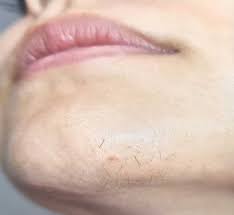
Seeing a few dark hairs on the chin can be surprising and even frustrating for many women. While facial hair is often associated with men, it is actually completely normal for women to have some fine or even slightly darker hairs on the face.
However, when chin whiskers become more noticeable, thicker, or increase over time, many people start wondering whether it could be a sign of something happening inside the body.
In most cases, chin hair is harmless. But in some situations, it may reflect hormonal changes or underlying health conditions that are worth paying attention to.
Here’s what it could mean.
1. Normal Hormonal Changes
The most common reason for chin hair in women is natural hormone fluctuation.
Women produce small amounts of androgens (male hormones) such as testosterone. Even slight shifts in these hormone levels can affect hair growth.
This is especially common during:
- Puberty
- Pregnancy
- Postpartum period
- Perimenopause and menopause
As estrogen levels decrease with age, androgen effects may become more noticeable, leading to thicker or darker facial hair.
2. Polycystic Ovary Syndrome (PCOS)
One of the most well-known medical causes of increased facial hair is Polycystic Ovary Syndrome (PCOS).
PCOS is a hormonal disorder that affects how the ovaries function.
Common signs include:
- Chin or facial hair growth (hirsutism)
- Irregular periods
- Acne
- Weight gain or difficulty losing weight
- Thinning hair on the scalp
- Fertility challenges
In PCOS, the body produces higher levels of androgens, which can stimulate hair growth in areas like the chin, upper lip, and jawline.
If chin hair appears suddenly or increases significantly, especially along with menstrual changes, it’s worth discussing with a healthcare provider.
3. Genetics (Family Traits)
Sometimes chin whiskers are simply inherited.
If your mother, grandmother, or other female relatives have similar facial hair patterns, genetics may be the main reason.
In these cases:
- Hair growth is usually mild
- It remains stable over time
- There are no other hormonal symptoms
Genetic facial hair is completely normal and not a sign of disease.
4. Aging and Menopause
As women approach menopause, estrogen levels naturally decline.
This hormonal shift can lead to:
- Increased visibility of facial hair
- Coarser chin or jawline hairs
- Thinner scalp hair
At the same time, androgens may have a relatively stronger effect, making facial hair more noticeable.
This is a natural part of aging for many women.
5. Stress and Lifestyle Factors
Chronic stress may indirectly influence hormone balance.
While stress alone doesn’t directly cause chin hair, it can contribute to hormonal fluctuations in some individuals.
Other factors may include:
- Poor sleep
- Unhealthy diet
- Insulin resistance
- Rapid weight changes
These factors can influence overall endocrine (hormonal) health.
6. Certain Medications
Some medications may increase hair growth as a side effect.
These can include:
- Steroids
- Hormone treatments
- Certain anti-seizure medications
- Drugs affecting hormone balance
If chin hair appears after starting a new medication, it may be worth discussing with a doctor.
7. Rare Hormonal Conditions
In less common cases, excessive facial hair may be linked to conditions involving higher androgen levels.
These may include:
- Adrenal gland disorders
- Ovarian tumors (rare)
- Cushing’s syndrome
These conditions usually come with other noticeable symptoms and require medical evaluation.
When Chin Hair Is NOT a Problem
In many cases, chin whiskers are completely normal and harmless.
It is usually not a concern if:
- Growth is minimal
- It appears gradually over years
- There are no other symptoms
- It runs in the family
Many women choose to simply manage it cosmetically through threading, waxing, or laser treatment.
When You Should Pay Attention
It may be a good idea to consult a healthcare provider if you notice:
- Sudden increase in facial hair
- Irregular or missed periods
- Severe acne
- Unexplained weight gain
- Hair thinning on the scalp
- Voice deepening or other unusual changes
These symptoms together may suggest a hormonal imbalance that should be evaluated.
Common Ways to Manage Chin Hair
There are several safe and common options:
Cosmetic methods:
- Tweezing
- Threading
- Waxing
- Depilatory creams
Long-term options:
- Laser hair removal
- Electrolysis
Medical treatment (if hormonal cause is found):
- Hormone regulation therapy
- PCOS management plans
- Prescription medications in some cases
Final Thoughts
Chin whiskers in women are extremely common and often completely natural. In many cases, they are simply the result of genetics, aging, or normal hormonal fluctuations.
However, if facial hair growth becomes sudden, excessive, or is accompanied by other symptoms like irregular periods or acne, it may be a sign of a hormonal condition such as PCOS that deserves medical attention.
Most importantly, chin hair alone does not define your health. It is just one small signal the body may sometimes show — and in many cases, it is nothing to worry about at all.